Best Albany Neighborhoods For Families And Commuters
Trying to balance school access, parks, and a sane commute between Corvallis and Salem? You’re not alone. Many Albany buyers want family-friendly streets without adding time to the workday. In this guide, you’ll learn how Albany’s major neighborhoods compare for daily life, housing styles, and regional commuting so you can narrow your search with confidence. Let’s dive in.
Start with your daily rhythms. Think about where you work, which side of town you’ll drive most, and the parks or activities you want close by. Albany’s neighborhoods offer different blends of commute convenience, home age, lot size, and walkability.
Albany sits between Corvallis and Salem with several regional routes. Many commuters use OR‑99W, U.S.‑20, and I‑5 depending on destination. Your starting point inside Albany matters as much as your route.
Albany also has an Amtrak station for intercity trips and regional bus connections. These are helpful for occasional travel but are not the primary choice for most daily local commutes. Always check live traffic when you tour homes to confirm real drive times.
North Albany appeals to families who want newer subdivisions, neighborhood trails, and parks. You’ll find larger lots than many central areas and a quiet, residential feel. Schools serve the area through Albany School District assignments that vary by street, so verify each address.
If you work in Corvallis, North Albany often offers one of the shorter, more predictable drives. Many commutes to Corvallis fall under 30 minutes depending on route and traffic.
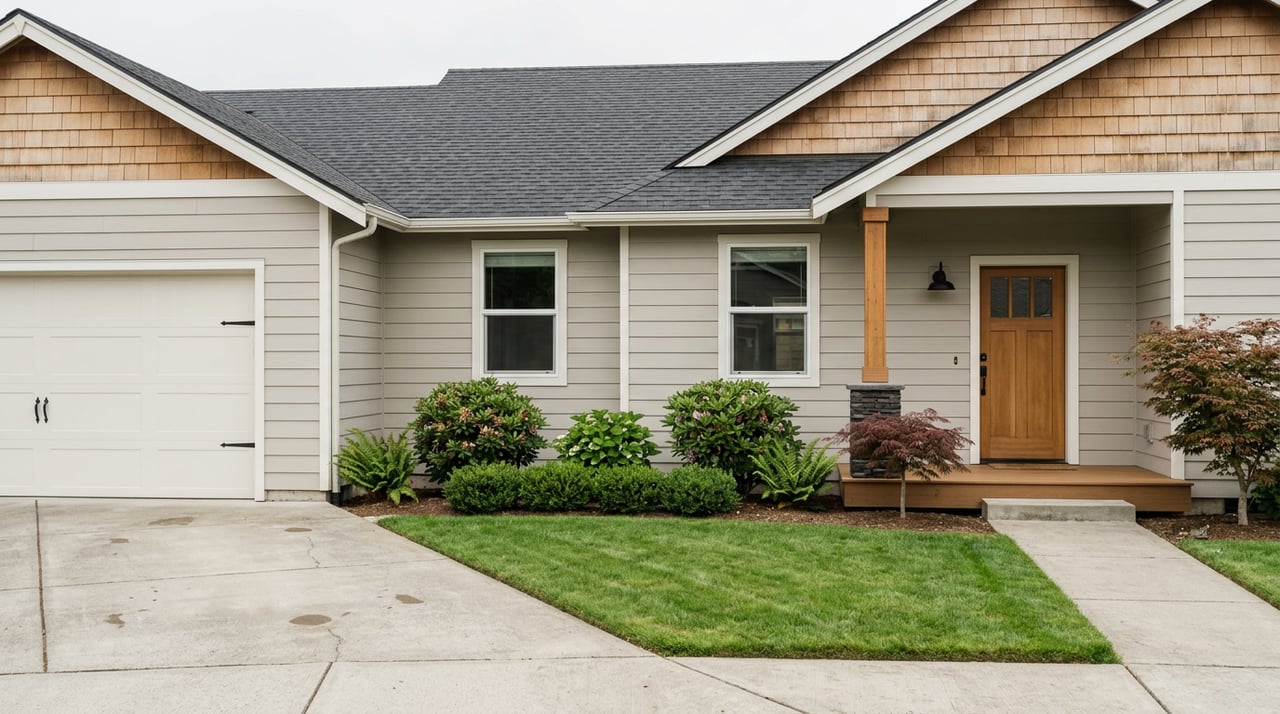
Expect a mix of 1990s to present single‑family homes with split‑level and two‑story layouts. Yards are often larger, and homes tend to have modern floor plans suited for growing households.
You want a newer home, room to spread out, and a reasonable west‑side commute. You value parks and trails inside your subdivision.
West Albany is known for established neighborhoods, community facilities, and an easy connection to schools and local services. Many residents enjoy short walks to parks and recreation programs.
From West Albany, it’s practical to reach both Corvallis and Salem. Local arterials link to OR‑99W and other regional connectors.
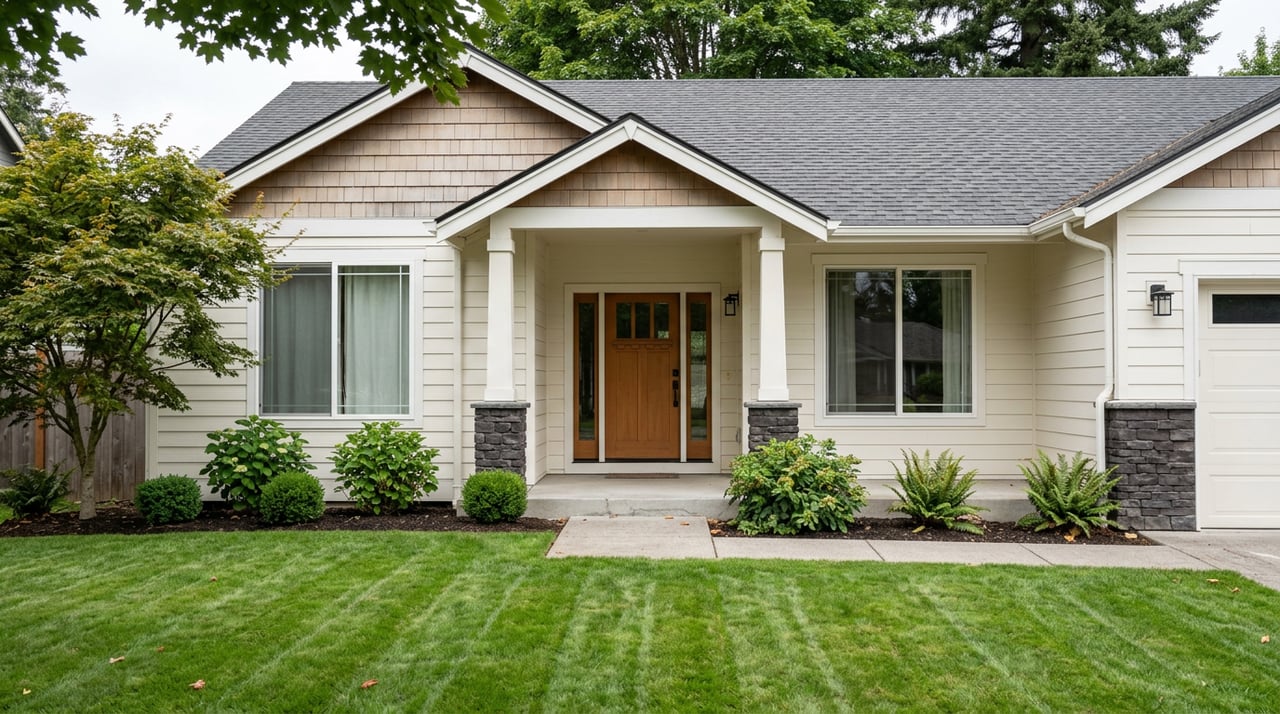
You’ll see mid‑century ranches alongside later infill homes. Lots are typically modest, and many properties are owner‑occupied single‑family houses with garages.
You prefer an established area with nearby schools and community amenities. You want balanced access in either commute direction.
South and Southeast Albany offer good value with newer subdivisions, pocket parks, and shopping centers nearby. Families appreciate the range of services and child‑care options across this side of town. Multiple schools serve the area, so confirm each address with the district.
You’ll have quick access to I‑5 and northbound connectors for Salem, plus routes east toward Lebanon and Sweet Home via U.S.‑20. This zone often delivers the fastest path to Salem for many buyers.
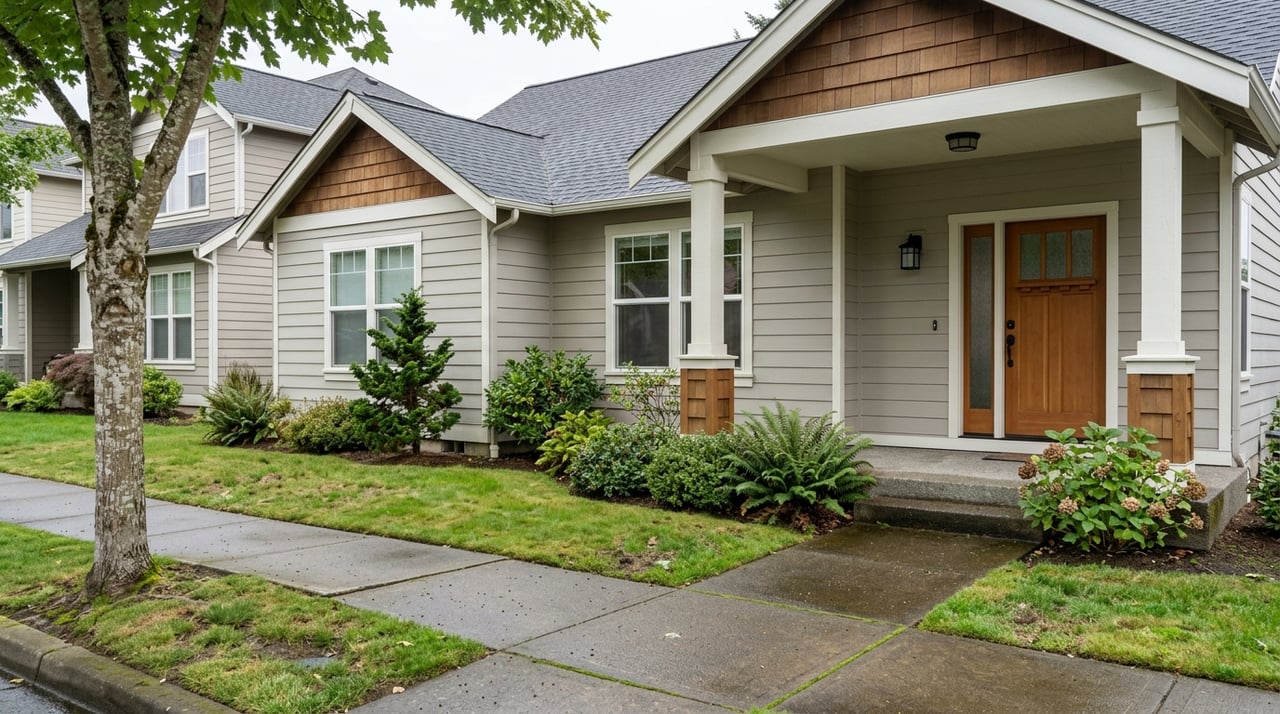
Expect newer tract homes, townhomes, and a wide spread of price points. Floor plans commonly include 3 to 4 bedrooms and open living areas that work well for daily family life.
You want highway access, newer construction, and budget flexibility. You prefer convenience to regional routes over historic character.
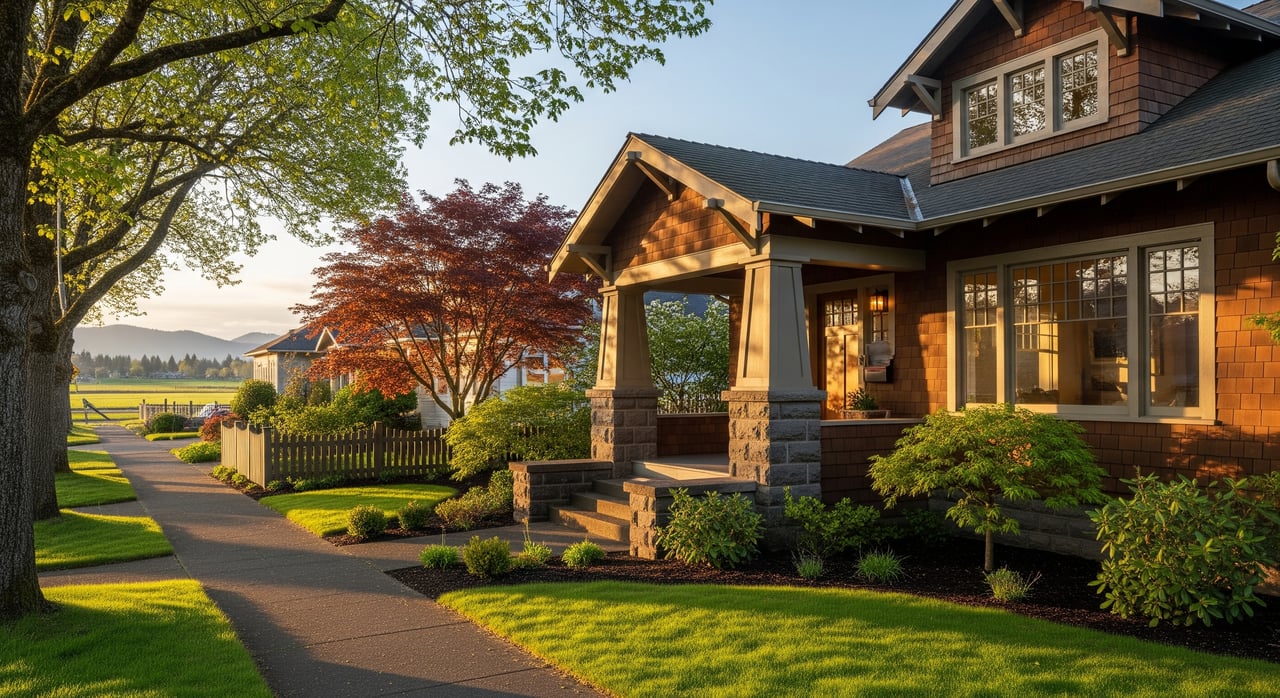
If you love walkability and historic charm, downtown and the adjacent historic districts deliver. You’re close to the riverfront, community events, the library, and major parks like Timber‑Linn Memorial Park. Sidewalks and local shops make errands simple.
This central location makes local errands easy and keeps you close to main roads. Parking and morning congestion can add time for highway commutes, so test your route during peak hours.
Homes range from late‑19th to early‑20th century craftsman and Victorian styles on smaller lots. Expect character features and the potential for higher maintenance compared with newer construction.
You value classic architecture, walkable amenities, and being at the heart of community life. You’re comfortable maintaining an older home.
On the city’s edges and just beyond, you’ll find larger lots and a more rural feel. Open space, trails, and quieter streets are the draw, though services may be a longer drive.
Depending on exact location, commutes can add a few minutes compared with central neighborhoods. For many families, the extra space offsets the added drive time.
Look for custom homes, newer builds on bigger parcels, and occasional hobby‑farm setups. Lot size is the standout feature.
You want elbow room and a lower‑density setting while staying close to Albany’s core.
Albany is primarily served by the Albany School District (SD 8J), which assigns schools by address. Because boundaries can change, confirm any property’s attendance zone on the district website. Many households choose neighborhoods with straightforward routes to elementary and middle schools, sidewalks, and marked crossings.
For outdoor time, Timber‑Linn Memorial Park is a central gathering place with large open areas and play spaces. The Talking Water Gardens and riverfront restoration areas offer trails and an educational setting popular with families. Across the city, newer subdivisions add pocket parks and greenways that make short walks with kids easy.
Youth programs through Albany Parks and Recreation support team sports, lessons, and seasonal events. Healthcare is available locally through clinics, family medicine, and a hospital serving Linn County. Families also value the short reach to regional medical centers in Salem and Corvallis. Childcare and preschool options exist throughout Albany, though availability can vary by season and neighborhood.
Albany’s housing stock covers a wide range of styles and ages. Downtown and historic districts offer character homes with walkable access to amenities. West Albany features mid‑century neighborhoods with established streetscapes. North and South Albany provide many newer builds with family‑friendly layouts, while east and perimeter areas deliver larger lots and custom homes.
Prices shift with school zones, square footage, age, and condition. Albany is often perceived as more affordable than nearby Salem and Corvallis for similar space, but the best comparison is a current market report and recent neighborhood comps. If you want modern layouts, efficiencies, and warranties, consider new construction in North or South Albany.
When thinking about long‑term value, look for these factors:
Tour during your actual commute times to verify drive lengths. Walk the nearest park, visit the local grocery, and map school routes. Then compare a couple of neighborhoods that meet your top two needs, whether that’s commute time and yard size or walkability and historic character.
If you want a local guide to shortlist the right streets and floor plans, the iHomes Team is here to help. From virtual showings for out‑of‑area buyers to pricing strategy for sellers, you get a responsive, team‑based approach with polished marketing and deep neighborhood knowledge. Ready to narrow your search or price your current home? Reach out to Dieter Wehner to get started.
We pride ourselves in providing personalized solutions that bring our clients closer to their dream properties and enhance their long-term wealth. Contact us today to find out how we can be of assistance to you!
Get In Touch With Our Team To Learn More
iHomes Team
309 Pacific Avenue N Monmouth, OR 97361