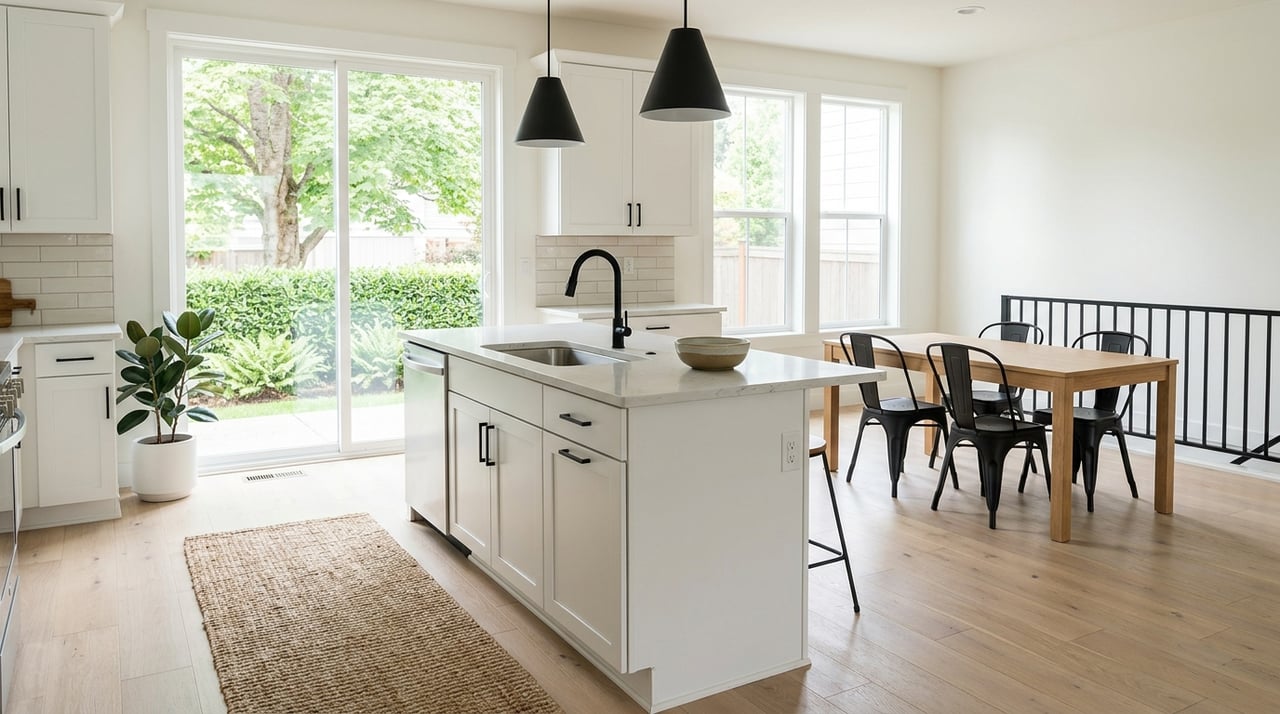
Thinking about moving to Monmouth and not sure where to begin? You are not alone. This friendly college town sits in the heart of the mid‑Willamette Valley and offers a practical base for work and life with easy access to Independence, Dallas, and Salem. In this guide, you will learn how to plan your timeline, compare leasing and buying, set up utilities, sort out permits and local services, and navigate virtual showings and remote closings. Let’s dive in.
Lease vs. buy in Monmouth
Choosing between leasing and buying affects your timeline, budget, and the way you plan your move. Here is what to expect so you can choose with confidence.
Leasing timeline and steps
If you need speed and flexibility, leasing is usually fastest.
- Typical timeline: about 1 to 6 weeks from search to move‑in. Out‑of‑area renters often secure a place in 2 to 4 weeks with virtual viewings and remote applications.
- Key steps:
- Search and tour: request live video tours, recorded walkthroughs, or 3D tours.
- Apply: most landlords process applications within 1 to 5 business days.
- Sign: review lease terms, pet rules, parking, and utilities, then e‑sign if offered.
- Pay: security deposit and first month’s rent are usually due before keys.
- Inspect: complete a move‑in checklist with photos to document condition.
- What you will need: photo ID, proof of income, references, rental history, and deposit funds. Remote notarization is rarely required for rentals.
Buying timeline and steps
Buying takes longer but offers long‑term stability and potential equity.
- Typical timeline: for financed purchases, plan on 30 to 45 days from contract to closing. Out‑of‑area buyers should budget 45 to 60+ days to allow for inspections, appraisal, and any travel.
- Key stages:
- Get pre‑approved: allow 1 to 10 days depending on documentation.
- Search and offer: many buyers narrow choices via virtual tours, then plan a short in‑person visit for final selection if possible.
- Under contract: inspection window is commonly 7 to 14 days, the appraisal often takes 1 to 2 weeks, and underwriting varies, often 2 to 4 weeks.
- Closing: title work, final walk‑through, and signing can be in person or remote, based on what your lender and title company support.
- Plan for contingencies: inspection repairs, appraisal gaps, and loan conditions can extend timelines. Build in travel windows or designate a trusted local representative.
Step‑by‑step relocation timeline
Use this simple roadmap to keep your move on track.
60 to 45 days out
- Clarify budget, needs, and preferred neighborhoods in Monmouth and nearby communities.
- If buying, secure pre‑approval and share your criteria with your agent.
- If renting, start your search and line up virtual tours.
- If you need temporary housing, compare extended‑stay options in nearby cities.
45 to 30 days out
- Buyers: schedule inspections, appraisal, and required lender items. Plan a possible quick visit for key milestones if needed.
- Renters: submit applications and prepare funds for deposit and first month’s rent.
- Research utility providers for your target address and plan account setup.
- Review local permit rules if you plan any near‑term work after move‑in.
30 to 14 days out
- Buyers: review inspection results and negotiate repairs. Prepare for underwriting needs.
- Renters: e‑sign lease and confirm move‑in details and parking.
- Schedule movers or a truck. Order packing supplies and begin room‑by‑room packing.
- Request utility service start dates 7 to 14 days before move‑in.
14 to 7 days out
- Confirm closing, keys, or lease start dates and access times.
- Set up internet equipment delivery or installation windows.
- Prepare change‑of‑address, driver’s license, voter registration, and school enrollment steps.
- Pack an essentials bag with medications, documents, chargers, and basic tools.
Moving week
- Buyers: complete the final walk‑through, review your closing statement, and verify wire instructions by phone with your title or escrow contact.
- Pick up keys, review utility meters, and test smoke detectors and essentials at the new home.
- Keep a simple photo inventory of boxes and furniture at move‑in.
Utilities and services setup
Monmouth residents typically set up electric service, water and sewer, trash and recycling, and internet. Availability can vary by address, especially outside city limits. Start these steps early to avoid delays.
- Water and sewer: contact the City of Monmouth utility office to open an account and learn service rules.
- Electric: confirm the electric utility that serves your specific address and schedule start service.
- Gas: if the property has natural gas, confirm the provider and start service. Some homes use electric or propane.
- Trash and recycling: ask whether service is through the city or a private hauler and review pickup schedules and bulky item rules.
- Internet and cable: compare providers by address and confirm speeds, installation dates, and equipment.
- Timing: request connections 7 to 14 days before move‑in when possible. Same‑week service may be available, sometimes with fees.
Tip: If you are buying, align utility start dates with your closing date, not the planned move day. If you are renting, confirm who pays each utility and which services are included in your lease.
Permits and local rules
If you plan improvements soon after you move, check city or county rules before you start.
- Building and remodeling: permits are often required for additions, decks, certain roof projects, and most electrical, plumbing, or HVAC work. Inside city limits, contact the City of Monmouth. For county parcels, contact Polk County Building or Community Development.
- Planning and zoning: confirm setbacks, lot coverage, and rules for accessory dwelling units or secondary suites. Some locations may have special standards.
- Fences and driveways: permits or coordination can be required, especially if the street is city or county maintained.
- Septic and wells: for properties on septic, work is typically permitted and inspected by Polk County Environmental Health. Wells and water rights are managed at the county or state level.
- Short‑term rentals or renting to students: review local ordinances to see if registration or specific rules apply.
When in doubt, call the relevant office and describe your address and project. Requirements can change by location and project type.
DMV, voting, schools, and care
Moving also comes with a few administrative steps. Plan these early so you are set when you arrive.
- Oregon DMV: new residents must obtain an Oregon driver’s license and register vehicles after establishing residency. Check current timelines and required documents before you visit.
- Voter registration: register at your new address in Polk County once you have moved.
- Schools: Monmouth‑Independence School District serves the area. If you have children, review enrollment steps, school boundaries, and required documents.
- Healthcare: identify nearby hospitals, urgent care, and primary care clinics that serve Monmouth and Polk County so you can transfer records and prescriptions.
Temporary housing options
If you are still house‑hunting or waiting for closing, short‑term housing can bridge the gap.
- Extended‑stay hotels and corporate housing: commonly found in nearby cities like Salem, Dallas, or Albany.
- Furnished rentals and month‑to‑month leases: useful for flexibility, especially near the university area.
- Short‑term vacation rentals: good for brief stays. Review host rules and local regulations.
- Student subleases: sometimes available near Western Oregon University. Confirm lease terms and timing.
When comparing options, weigh location and commute, flexibility on dates, parking and pet rules, whether utilities and internet are included, and whether the space fits remote work needs.
Virtual showings and remote closings
Buying from out of town is common here. Most steps can be handled with video, secure documents, and local representation.
Virtual touring best practices
- Request floor plans and room measurements.
- Ask for close‑ups of high‑value items like the roof, HVAC, foundation, crawl spaces, and exterior drainage.
- Record live video tours so you can review and share.
- Attend your home inspection virtually and hire a trusted local inspector.
Remote documents, funds, and closing
- E‑signatures: many contracts can be signed electronically. Your lender and title company will explain which forms require in‑person or notarized signatures.
- Notarization: options may include remote online notarization, in‑person signing with a local notary, or hybrid closings. Availability depends on your lender and county recording rules.
- Wiring funds: only use wiring instructions provided by your verified title or escrow contact and confirm by phone at a known number before sending any funds. This helps protect you from wire fraud.
- Final walk‑through: if you cannot attend, arrange a virtual walk‑through and have your agent or another trusted person complete a physical check of the property.
Neighborhoods to explore
Monmouth offers a mix of small‑town streets, university‑adjacent areas, and nearby communities with different commute patterns.
- Downtown and Main Street: close to shops, parks, and civic services.
- Western Oregon University area: more student‑oriented rentals and seasonal rhythms tied to the academic calendar.
- Residential areas near parks and schools: quiet streets with access to playgrounds and community amenities.
- Nearby towns: Independence, Dallas, and the Salem area provide more options and commuting routes.
As you compare areas, focus on commute times, daily routes, nearby amenities, and housing types that fit your goals.
Your moving checklist
Use this checklist to keep details simple and visible. Print it, and add your own dates and contacts.
- Pre‑move planning
- Confirm moving date and reserve movers or a truck.
- Create a budget and a room‑by‑room packing plan.
- Gather documents: IDs, pre‑approval, lease or contract, insurance, medical and school records.
- Housing transaction
- Buyers: track key dates, including inspection window, appraisal date, loan conditions, and closing.
- Renters: track application sent, approval received, lease signed, deposit paid, and move‑in inspection.
- Utilities and services
- Water and sewer, electric, gas if applicable, trash and recycling, internet and cable.
- Add account numbers, start dates, and install appointments.
- Local admin
- Oregon DMV license and vehicle registration.
- Polk County voter registration.
- School enrollment steps and records.
- Change of address for USPS, banks, subscriptions, and insurance.
- Packing and moving day
- Label boxes by room and priority. Photograph valuables.
- Pack essentials: medications, chargers, tools, cleaning supplies, snacks, pet needs.
- Keep closing documents, IDs, and a checkbook or wire info in a secure bag.
- Old address wrap‑up
- Cancel or transfer utilities and take final meter photos.
- Leave manuals and spare keys if required.
- New address first‑week tasks
- Test smoke and carbon monoxide detectors.
- Confirm garbage pickup day and recycling rules.
- Register pets if required and note local vet contacts.
Next steps
Relocating to Monmouth is easier when you have a local guide who works at your pace, supports virtual showings, and coordinates inspections and closing details. If you are ready to compare neighborhoods, set your timeline, and tour homes by video or in person, connect with our team. We are happy to help you plan a smooth move.
Have questions or want a remote buyer consult? Reach out to Dieter Wehner for friendly, local guidance.
FAQs
How long does buying in Monmouth take if I live out of state?
- Most financed closings take 30 to 45 days once under contract, and many out‑of‑area buyers plan for 45 to 60+ days to allow for travel, inspections, and appraisal.
Can I sign all my home purchase documents remotely?
- Many documents can be e‑signed, but notarization and recording options vary by lender and county, so confirm remote notarization and closing details with your title company and lender.
Who sets up utilities for a new home or rental in Monmouth?
- You usually set up water and sewer, electric, internet, and trash 7 to 14 days before move‑in, with the City of Monmouth and your chosen providers guiding account setup.
Do I need permits for fences, ADUs, or renovations?
- Often yes, and requirements depend on whether the property is in the city or county; check with the City of Monmouth or Polk County before starting any work.
Where can I stay short‑term while house‑hunting near Monmouth?
- Compare extended‑stay hotels or corporate housing in nearby cities, furnished month‑to‑month rentals, short‑term vacation rentals, or university‑area subleases for flexible timing.