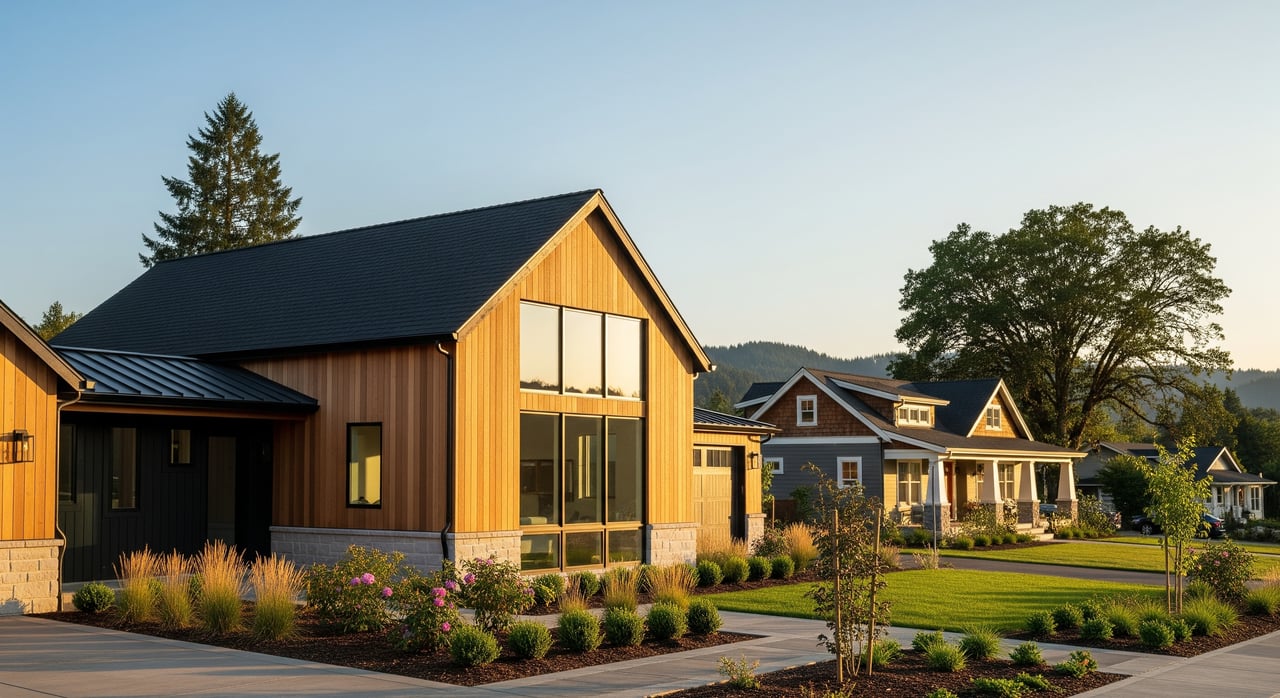
Lebanon New Construction vs Resale: Making the Right Move
Should you move into a finished home soon or wait for a brand‑new build tailored to your tastes? If you are shopping in Lebanon, this choice shapes your costs, timeline, and daily routine. It can feel like a toss‑up, especially when inventory and incentives change quickly. In this guide, you will compare total cost, warranties, timeline and financing, location trade‑offs, and negotiation dynamics so you can choose with confidence. Let’s dive in.
If you need to move soon, a resale often closes in about 30 to 45 days once you are under contract, and you can move in at closing. New construction usually takes longer. Many production homes run about 4 to 9 months from contract to completion, and custom builds can take 9 to 18 months or more. Weather, permits, material lead times, and change orders can add days.
If you are open to new but want speed, ask about spec homes already started or finished. Some can close in 30 to 90 days if available.
With new construction, you can often choose finishes and layouts within the builder’s options. That can help you avoid immediate renovation projects. A resale home is more what‑you‑see‑is‑what‑you‑get. You can update after closing, and some items can be negotiated as seller credits, but you will be working within an existing structure and timeline.
Sticker price is only part of the picture. Use a simple “total cost to move in” comparison for each home you like. Add these items for both new and resale so you are comparing apples to apples.
New construction often has a higher per‑square‑foot price and a list of optional upgrades like cabinets, counters, flooring, landscaping, garage door openers, and window coverings. Builders may offer closing cost help or interest‑rate buydowns, but you can also see impact, utility hookup, or HOA initiation fees. Resale homes can have a lower sticker price, but you might budget for near‑term maintenance like roof or HVAC replacement depending on age and condition.
For ongoing costs, new homes typically follow current energy codes and have lower near‑term maintenance, while new subdivisions may include HOA dues and a fresh property tax assessment. Resale homes can have higher maintenance risk but may carry a lower assessed value if taxes have not recently reset. In Lebanon and the surrounding rural areas, confirm whether a property uses city sewer or a septic system, and factor inspection or upgrades into your cost view as needed.
Many builders use a 1‑2‑10 model, though details vary. A 1‑year limited warranty typically covers workmanship and materials. A 2‑year warranty can apply to major systems like electrical, plumbing, and HVAC. A 10‑year structural warranty may be provided through a third‑party program. Always ask for the warranty in writing, including the provider’s documentation and claims process.
Even with a builder warranty, order independent inspections. Consider pre‑drywall and final inspections to catch issues before walls close and before closing. If energy efficiency matters to you, you can add relevant tests.
On a resale purchase, your inspection contingency is a core protection. You can request repairs or credits or cancel based on the contract terms and findings. Oregon sellers provide specific disclosures, and you can ask for permit history on past renovations. Depending on the property, specialized inspections like pest, septic, well, HVAC, roof, or chimney can be appropriate.
In and around Lebanon, verify whether the home is on city sewer or a septic system. For rural or newly annexed areas, review floodplain or wetlands overlays and ask about soils or geotechnical reports if you are buying land or a new lot. These items can affect insurance, buildability, and costs.
Buying a resale home typically means a standard mortgage with familiar closing costs. New construction can involve construction loans or a construction‑to‑permanent product with draws as work progresses. Initial rates for construction loans may be higher, and you will see conversion steps to your permanent mortgage. Builders sometimes partner with preferred lenders and offer incentives. Compare terms carefully and confirm how rate locks work for a long build.
Lenders base financing on appraised value. If your selections and upgrades in a new build cost more than what nearby comparable sales support, you may need to bring extra cash to close. Resales generally appraise to local comps, though unique or low‑turnover areas can still face appraisal gaps. Plan for a backup if the appraisal is low and discuss options with your lender early.
In Lebanon, many new subdivisions sit on the city’s outskirts or on recently annexed land. You may see newer roads, planned parks, and HOA rules, but amenities can take time to mature. Commutes to downtown Lebanon or neighboring cities can be longer, so map your routes at different times of day.
Resale options often place you closer to established services with mature landscaping and visible neighborhood character. You can see traffic patterns, tree cover, and property uses right away. If schools are a factor, verify current boundary assignments and check whether future development could change them.
New builds generally connect to modern stormwater and sewer systems. Resale homes may need sewer line, electrical panel, or other upgrades depending on age. For any property in Lebanon or greater Linn County, it is smart to review city and county records related to plats, permits, utilities, and overlays.
Builders often hold firm on the base price, but incentives are common levers. You can ask for closing cost assistance, an interest‑rate buydown, appliance packages, or upgrade credits. Review the builder’s contract closely. Look for change‑order fees, retention schedules, walk‑through timing, cancellation terms, and how warranty transfers work. Negotiate inspection milestones and ensure punch list items are completed before the final draw.
Resale negotiation focuses on price, condition, and contingencies. If the market favors buyers, you may secure price reductions, closing cost credits, or repairs. Inspection, financing, and appraisal contingencies are standard tools. If the market is competitive, consider clean terms while still protecting your key needs.
| Criteria | New Construction | Resale | Notes |
|---|---|---|---|
| Purchase price | Often higher per‑sq‑ft base | Often lower sticker price | Add upgrades and lot premiums |
| Move‑in timeline | Weeks to many months | About 30–45 days typical | Spec homes can shorten new build |
| Customization | High within builder options | Low to moderate via renovation | New avoids immediate projects |
| Warranty & early repairs | 1‑2‑10 style coverage common | No comprehensive warranty | Verify coverage and process |
| Energy & systems | Current code, lower near‑term maintenance | Older systems could be near replacement | Consider 5‑year costs |
| Location pattern | Often city edges | Established neighborhoods | Check commute and services |
| Negotiation | Incentives, upgrades, rate help | Price, terms, repairs | Market conditions matter |
| Maintenance cost | Lower expected early on | Higher or uncertain | Budget for roof or HVAC age |
| Resale predictability | Developing comps in new phases | Richer historical comps | Neighborhood maturity helps |
| Financing complexity | Possible construction‑to‑perm | Standard mortgage | Confirm appraisal strategy |
Use this matrix to rank your top three priorities, then choose the path that fits best.
The best way to decide is to compare in person. Tour model or spec homes to see finish levels and lot orientation, then walk a few resale homes in established neighborhoods. Bring a simple year‑one cost worksheet and take notes on commute, yard size, and neighborhood character. If you would like a local partner to organize a side‑by‑side comparison and keep your timeline and budget on track, connect with Dieter Wehner. We can schedule tours of model and spec homes along with available resale listings so you can make a clear, confident decision.
We pride ourselves in providing personalized solutions that bring our clients closer to their dream properties and enhance their long-term wealth. Contact us today to find out how we can be of assistance to you!
Get In Touch With Our Team To Learn More
iHomes Team
309 Pacific Avenue N Monmouth, OR 97361