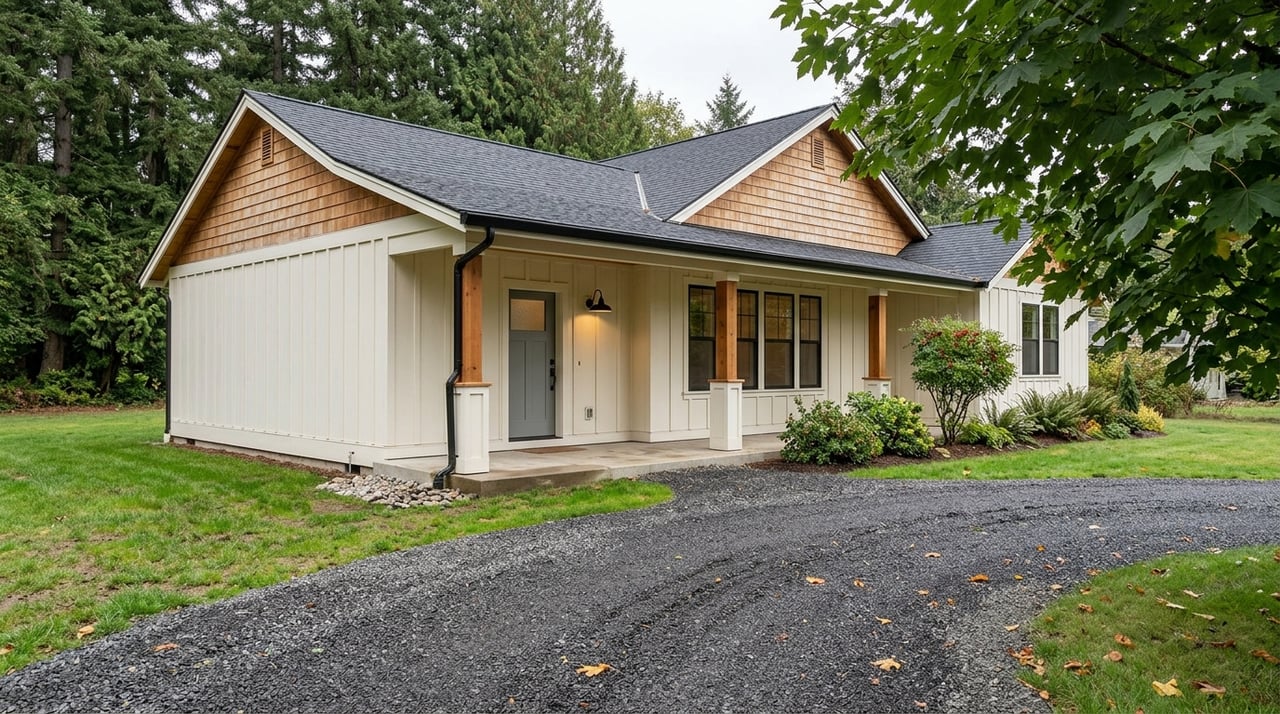
Falls City Country Living Guide for Buying Outside Dallas
Dreaming about more space, a little privacy, and room to spread out without losing access to daily essentials? Buying near Falls City can offer that balance, especially if you want country living within reach of Dallas and other Polk County destinations. In this guide, you’ll learn what makes the area appealing, what to watch for when shopping rural property, and which details matter most before you make an offer. Let’s dive in.
Falls City appeals to buyers who want a rural setting with practical access to nearby service hubs. The city describes itself as a rural enclave surrounded by forests, vineyards, and farmland, which helps explain why the area draws interest from buyers seeking land, privacy, and a quieter pace of life.
At the same time, Falls City is not completely removed from everyday convenience. According to city community information, Falls City is about 20 miles from Salem and 68 miles from Portland, with Salem, Sheridan, and Dallas listed as top commuting destinations.
If you are buying outside Dallas but still want a nearby service center, that matters. Dallas is the Polk County seat, and the state’s Polk County profile notes an estimated 2024 population of 17,911, making it an important nearby destination for shopping, services, and day-to-day errands.
When buyers say they want country living outside Dallas, they are often talking about the rural areas around Falls City and greater Polk County where property types can look very different from a typical in-town home. You may find acreage, wooded parcels, small farms, or homes with outbuildings instead of standard subdivision lots.
That pattern is supported by local land-use rules. Polk County zoning regulations include AF-10, FF, and Farm/Forest overlay categories, and the county’s forestland definition includes timberland and grazing land.
This does not guarantee every rural property can be used the same way, but it does suggest the market around Falls City often includes land that may appeal to buyers looking for timber, hobby-farm potential, or more elbow room. If acreage is part of your goal, zoning and land-use review should be one of your first steps.
If you are used to newer suburban neighborhoods, rural Polk County may feel different right away. Polk County QuickFacts show a median owner-occupied home value of $419,500, 35,713 housing units, and a 64.6% owner-occupied rate.
The county’s housing mix also includes a significant number of older homes. State energy profile data cited in the research shows 53% of Polk County homes were built before 1990, which means you may run into older systems, deferred maintenance, or homes that need updates rather than turnkey finishes.
That does not have to be a bad thing. For some buyers, older rural homes offer more land, established trees, and useful outbuildings. It simply means you should budget for inspections carefully and look closely at condition, repairs, and modernization needs.
This is one of the biggest questions you should ask early. Falls City itself owns its water and sanitary sewer utilities, according to city information, while electricity, telephone and internet, and trash service are provided by private businesses.
Once you move outside city-served areas, many properties are more likely to rely on private wells and septic systems. That shift can affect your due diligence, financing timeline, and future maintenance costs.
Before you commit to a rural property, confirm:
For many rural buyers, water and wastewater are the two most important practical issues. Polk County Environmental Health handles septic site evaluations, septic permit specifications, and inspections of septic-related work.
Water quality is also a buyer responsibility on private wells. The Oregon Health Authority says private well testing is only required at sale in Oregon, while routine testing is recommended annually for bacteria and nitrate and every three to five years for arsenic. The research also notes that DEQ says private wells are not routinely regulated like public water systems, so owners are responsible for monitoring water quality.
In simple terms, if a property has a private well, you should treat testing and documentation as essential, not optional. A home can look great on the surface and still require follow-up on water quality or septic function.
In rural property searches, buyers often focus on the house and land first. Access is just as important. Polk County Public Works says county crews maintain gravel roads, pavement, drainage ditches, culverts, bridges, signs, brush, snow, and ice.
But not every road is county-maintained. The county also states that private roads are the responsibility of the applicable property owners and users, and right-of-way and maintenance obligations can work differently outside incorporated areas.
That means you should ask clear questions such as:
These questions can save you from surprises after closing, especially on properties with longer driveways or shared access routes.
Country living often comes with tradeoffs, and drive time is one of them. Polk County commuters average 26.3 minutes to work, and households average 19,648 vehicle miles traveled per year, according to Census QuickFacts.
If you are considering a home near Falls City, think beyond the map. Test the route to Dallas, Salem, or other places you visit often. A property may feel perfect on paper, but your day-to-day routine should still work comfortably.
Financing can look different when acreage enters the picture. One option many buyers explore is the USDA Section 502 Guaranteed Loan Program, which USDA says can offer 100% financing for eligible rural homebuyers.
The same USDA guidance says the program has an income cap of 115% of median household income, uses address-based property eligibility, has no set acreage limit, and cannot be used for income-producing property. That combination is important if you are looking at larger parcels around Falls City.
In practical terms, a property with acreage may still qualify, but only if both you and the property meet USDA rules. If you are comparing homes with land, it is smart to check financing fit early instead of assuming any rural address will work.
Some rural buyers are interested in land for gardens, animals, or timber use. Others simply want space and later discover that zoning and tax treatment can affect how they use the property.
Polk County notes that many rural properties may qualify for farm-use or forestland special assessment or deferral when they remain in agricultural production or are used for growing and harvesting marketable trees. You can review those rules through the county’s farm and forest deferrals information.
This is not something to guess about during a showing. If a parcel is being marketed with farm, timber, or special tax benefits in mind, verify how it is currently classified and what requirements may apply if ownership or use changes.
Because rural housing stock can be older, repair needs are part of the conversation. That local reality shows up in public funding too. In 2025, Business Oregon reported a $400,000 CDBG award for rehabilitation grants and zero-interest deferred loans for low- and moderate-income homeowners in Dallas, Monmouth, and Falls City.
For buyers, this is useful context. It suggests some homes in the area may need repairs, modernization, or accessibility updates. If you are open to a property with character and land, be ready to evaluate condition with clear eyes.
Before you buy country property near Falls City, keep this checklist handy:
Buying rural property usually involves more moving parts than buying a typical in-town house. Utility questions, access issues, zoning details, and financing rules can all shape whether a property is truly a fit for your goals.
That is why working with a local team matters. You want someone who understands the small-city and rural markets across Polk County, can help you spot red flags early, and can guide you through the practical details that affect value and livability.
If you are thinking about country living near Falls City or buying outside Dallas, Dieter Wehner and the iHomes Team can help you navigate the process with local insight, responsive service, and steady support from search to closing.
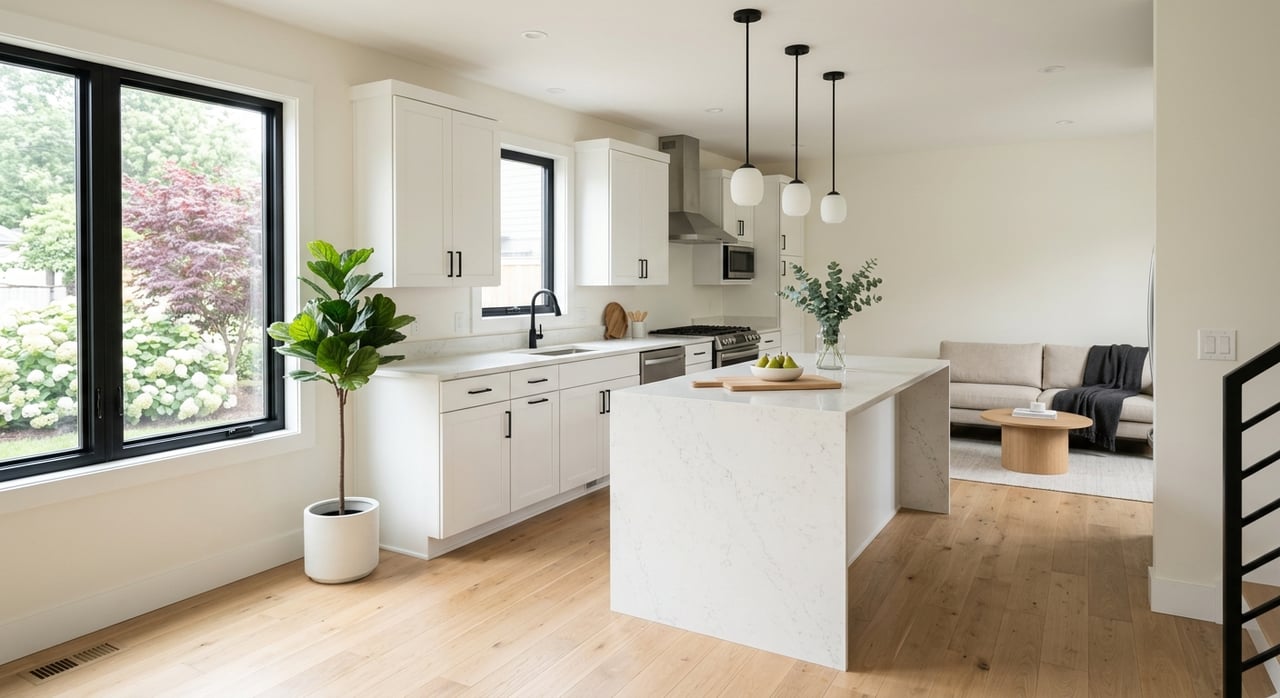
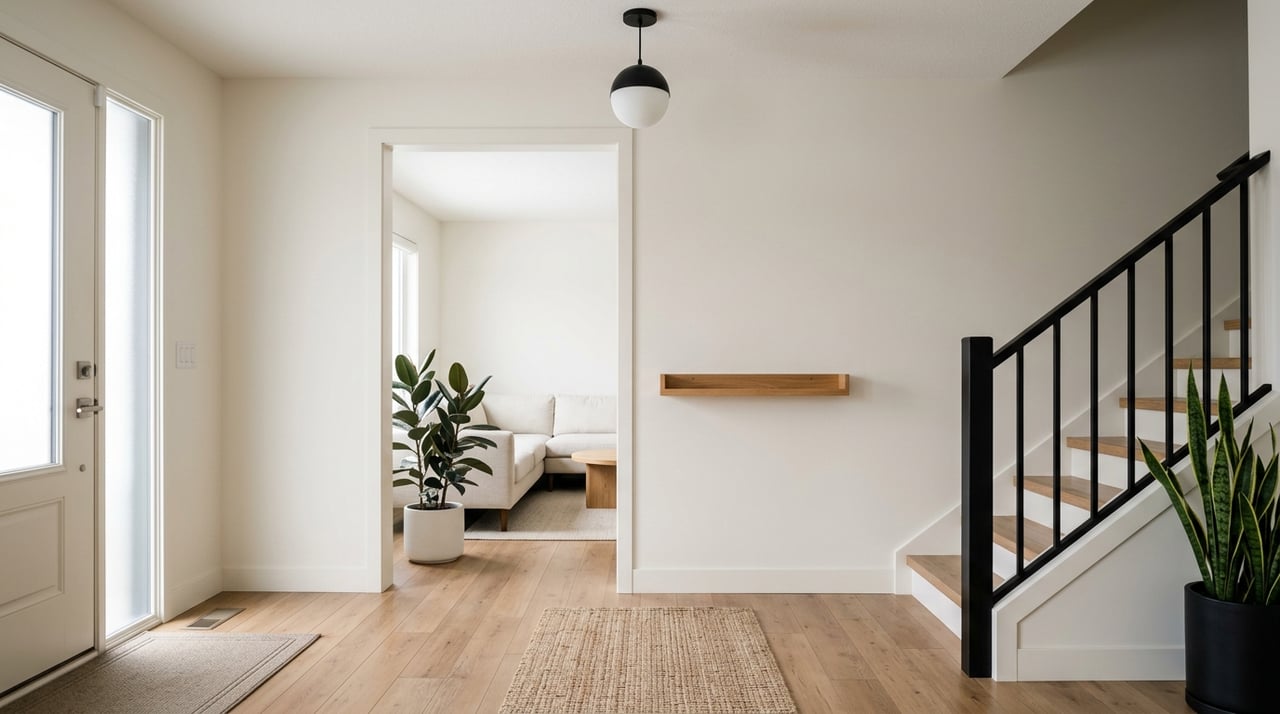
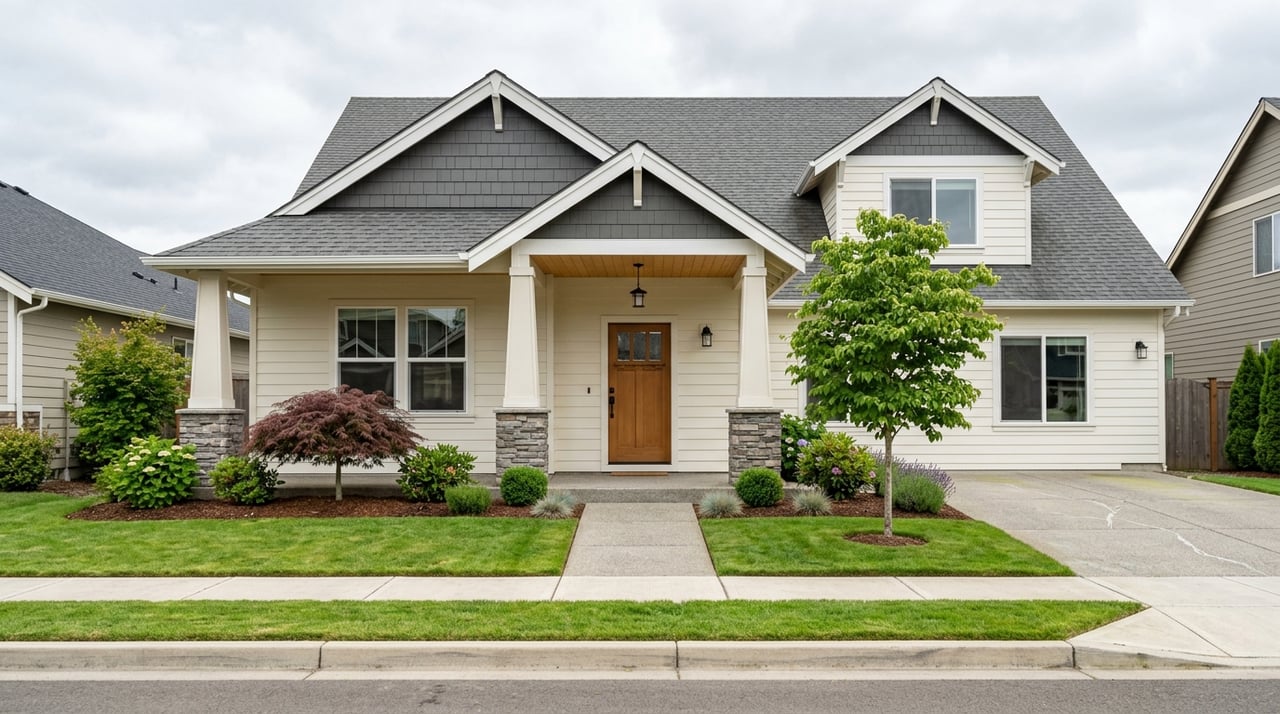
We pride ourselves in providing personalized solutions that bring our clients closer to their dream properties and enhance their long-term wealth. Contact us today to find out how we can be of assistance to you!
Get In Touch With Our Team To Learn More
iHomes Team
309 Pacific Avenue N Monmouth, OR 97361