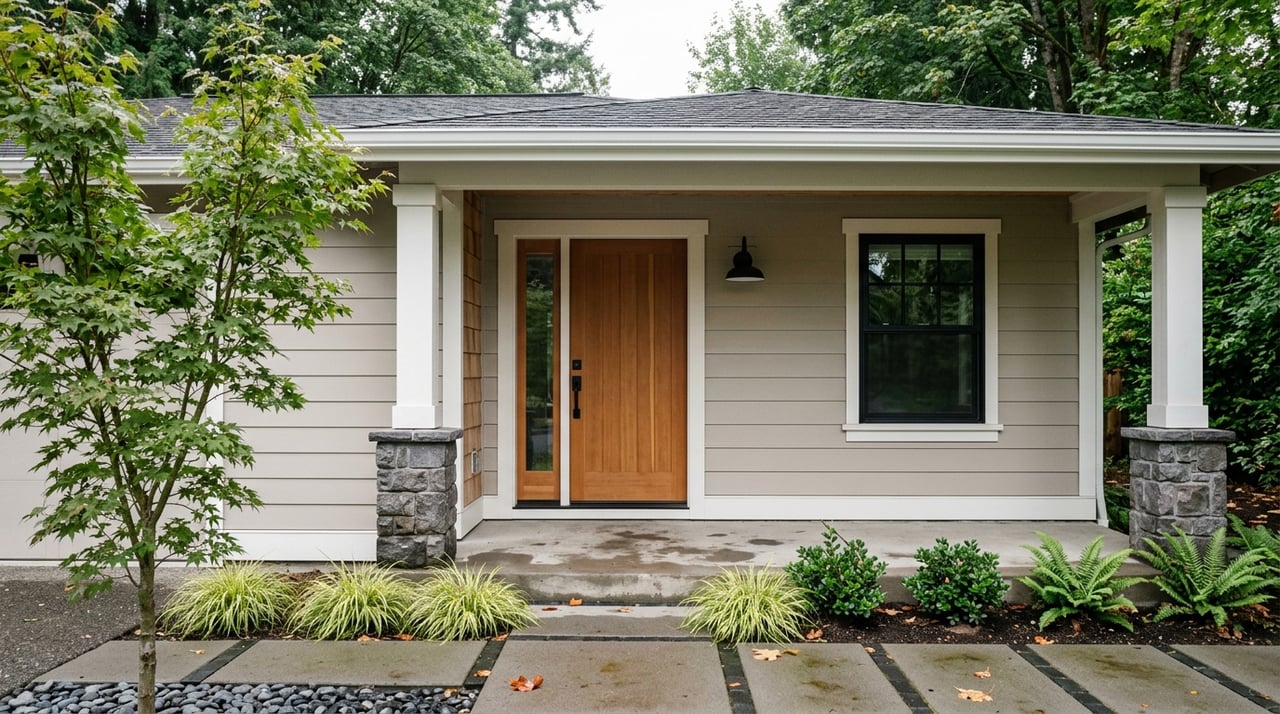
Downsizing In Salem And West Salem: Neighborhoods To Know
If your current home feels like more work than it used to, you are not alone. Many homeowners in Salem and West Salem start thinking about downsizing when stairs, yard work, or upkeep begin to outweigh the benefits of extra space. The good news is that downsizing here is not just about moving smaller. It is about finding the right balance of location, maintenance, and timing so your next move fits your life better. Let’s dive in.
In Salem, a neighborhood-by-neighborhood approach matters. The City recognizes neighborhood associations for land use and livability, which makes it easier to compare areas based on how you want to live day to day.
For many downsizers, the biggest priorities are practical. You may want fewer stairs, a smaller lot, less exterior maintenance, and easier access to groceries, pharmacies, and medical care. You may also want a clear picture of monthly costs, especially if a property has an HOA, condo dues, or park fees.
Another factor is housing type. Salem’s housing code identifies townhouses as one of the city’s middle-housing options, which gives you another category to consider between a detached single-family home and a manufactured-home community.
Before you focus on one neighborhood, it helps to define what “simpler” really means for you. A smaller house is not always easier if it still has a steep lot, multiple levels, or higher monthly costs.
As you compare options in Salem and West Salem, pay close attention to:
West Salem is one of the first areas many downsizers ask about, and for good reason. The neighborhood sits in the northwest part of the city, bordered by the Willamette River on the southeast, and the City identifies Edgewater Street and Wallace Road as its business districts.
That mix can appeal if you want westside convenience and a strong neighborhood identity. West Salem is also distinct because it is located in Polk County, which matters when you are reviewing county-specific property information or tax guidance.
For housing, West Salem is especially worth watching if you are interested in attached options. The City has an active townhome proposal on Linwood Street NW, which points to a growing pipeline of lower-maintenance housing choices in the area.
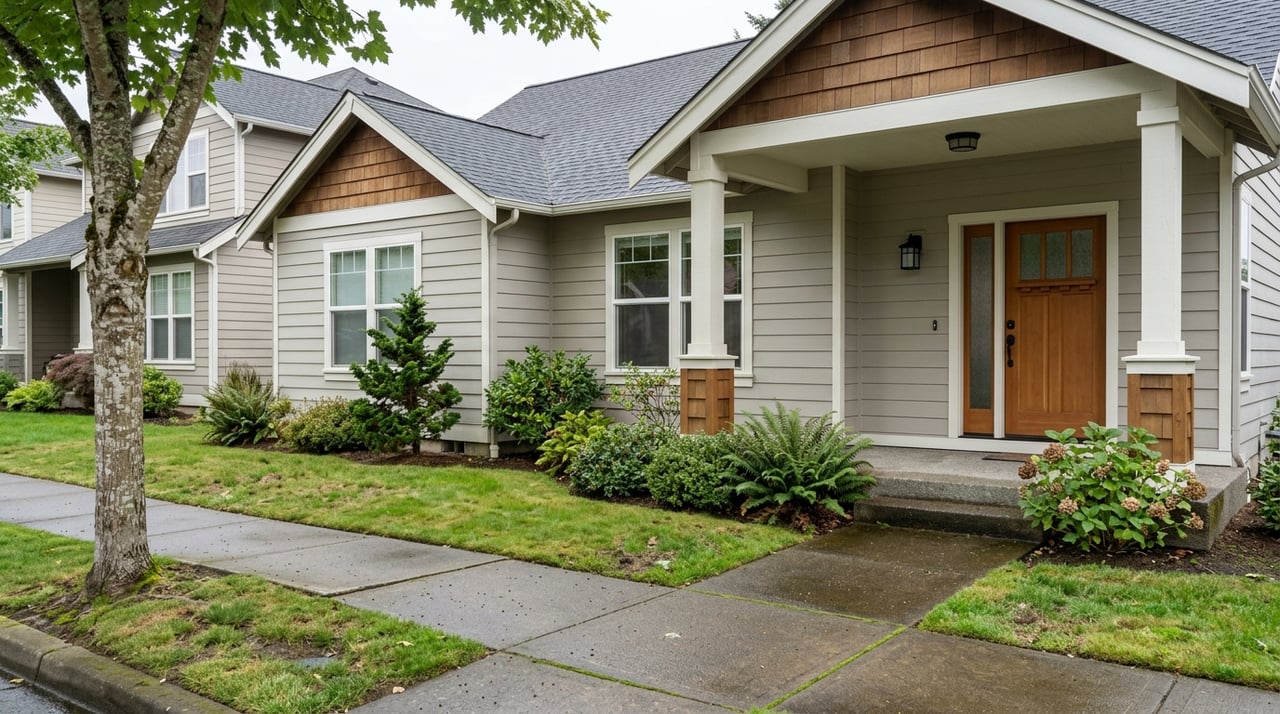
West Salem can be a good fit if you want to stay in a residential setting while keeping daily errands manageable. Attached housing and townhome options may reduce exterior maintenance compared with a larger detached home.
It is still important to ask detailed questions on any property you consider. For example, confirm whether the home is fee-simple or condo-style, whether there is an HOA, and what monthly dues cover.
If your goal is to drive less and have more services close by, downtown Salem deserves a serious look. The Central Area Neighborhood Development Organization, or CANDO, includes downtown Salem along with Riverfront Park, the Historic Elsinore Theater, shopping centers, eateries, state offices, City Hall, Salem Hospital, and the Oregon State Capitol.
That concentration of destinations makes downtown one of the strongest options for a service-heavy lifestyle. For some downsizers, being closer to medical care, dining, and everyday errands is more valuable than having extra square footage.
Downtown can offer a simpler routine, but every property still needs a careful review. Ask about parking, building maintenance, monthly dues, and whether the home style fits your comfort level for stairs and storage.
If low maintenance is your top goal, downtown may offer one of the clearest tradeoffs in your favor. You may give up yard space, but you could gain convenience and reduce the amount of home upkeep on your plate.
Several Salem neighborhoods outside downtown can also make sense for downsizers who want a quieter residential setting without being far from daily needs. These areas are worth knowing because they offer different combinations of access, housing age, and neighborhood feel.
South Gateway is one of Salem’s largest neighborhood associations at about 3,334 acres. The City describes it as having several parks, shopping malls, and eateries.
For downsizers, that can mean a residential setting with convenient access to everyday services. If you want less maintenance without giving up nearby shopping and errands, South Gateway is a practical area to explore.
Sunnyslope is one of Salem’s oldest neighborhood associations and covers about 1,247 acres. The City notes that it is served by multiple parks.
This area may appeal if you want an established part of Salem and are open to comparing different home styles. Since housing can vary, this is a place where it pays to focus closely on floor plan, lot size, and update level rather than judging the area by name alone.
SWAN borders Minto-Brown Island Park and the Willamette River. The neighborhood emphasizes walking and community events.
If your version of downsizing includes staying active and enjoying nearby outdoor space, SWAN may be worth considering. You will still want to balance that appeal with practical details like maintenance, commute routes, and how close a home is to your regular errands.
SESNA is a historic area and Salem’s second Heritage Neighborhood, with more than 2,000 houses dating from the late 1800s. That history gives the area character, but it can also mean a wider range of home ages and upkeep needs.
For downsizers, SESNA may be more about finding the right individual property than assuming every home will be lower maintenance. If you love charm, ask careful questions about repairs, systems, and long-term upkeep before making a move.
SEMCA stretches to the city limits and includes Cascades Gateway Park, the Salem Municipal Airport, Corban University, and Mill Creek Corporate Center. It is another area to consider if you want edge-of-city access with services nearby.
This area can be useful for downsizers who prioritize convenience to major routes and commercial areas. As always, compare home type, lot size, and monthly costs before deciding whether a property truly supports a simpler lifestyle.
For many downsizers, a 55+ manufactured-home community can offer one of the clearest low-maintenance options in Salem. These communities are worth discussing because they show just how many age-restricted choices are available without leaving the city.
In southeast Salem, Sundial describes itself as a pet-friendly 55+ community with an indoor pool and spa, clubhouse, library, exercise area, and proximity to Cascade Gateway City Park, WinCo, Meadowlawn Golf Course, and Costco. Salem Mobile Estates is also 55+ and offers a clubhouse, game room, and RV storage near shopping and freeway access. Meadowlark Estates is another 55+ community in Salem with 126 sites, mostly double-wide owner-occupied homes, near the Willamette River and I-5.
In northeast Salem, Royal Oaks Estates is described as a senior manufactured-housing community near stores, bus service, and I-5. Sunset Village advertises a pool, sauna, clubhouse, off-street parking, and proximity to I-5, retail, and restaurants. Shady Acres describes itself as a 55+ community with a country feel near shopping, restaurants, entertainment, and McNary Golf Club. Arrowhead is a 55+ community with a clubhouse, kitchen, and event space near dining, shopping, and entertainment.
These communities can be appealing, but you should always review the full monthly cost structure. Ask whether you own the home only or the land as well, what the monthly park fee includes, and what approval process applies.
You should also confirm any age restrictions, pet rules, parking details, and resale considerations. A lower-maintenance move works best when you understand both the upfront cost and the ongoing monthly expense.
The easiest way to compare neighborhoods is to think in tradeoffs. In Salem and West Salem, downsizing is usually less about square footage alone and more about which area gives you the best mix of convenience, maintenance, and cost.
Here is a simple way to frame it:
| Area or option | Best fit for | Key tradeoff |
|---|---|---|
| West Salem | Buyers wanting westside convenience and attached-housing potential | Confirm county details, home style, and HOA structure |
| Downtown Salem | Buyers wanting walkable access to services and medical care | Less private outdoor space, possible dues or parking limits |
| South Gateway and nearby areas | Buyers wanting a residential setting near shopping and errands | Home styles and maintenance levels can vary widely |
| Historic areas like SESNA | Buyers drawn to character and central location | Older homes may bring more upkeep |
| 55+ manufactured-home communities | Buyers focused on low maintenance and shared amenities | Park fees and community rules need close review |
One of the biggest downsizing questions is whether to sell first or buy first. In many cases, homeowners who want to move try to sell their current home before buying another one.
That approach can reduce uncertainty, especially if you need sale proceeds for the next purchase. It can also make it easier to set a realistic budget for your replacement home.
If you are thinking about buying before your current home sells, financing details matter. The Consumer Financial Protection Bureau notes that bridge loans may be used for a purchase when the consumer plans to sell the current dwelling within 12 months, with terms of 12 months or less.
If financing will be part of your move, it helps to get serious about preapproval when you are ready to shop seriously. Preapproval letters typically expire in 30 to 60 days, and preapproval is not the same as applying for a loan.
It is also wise to compare official Loan Estimates from multiple lenders instead of choosing a lender too early. When you make an offer, financing and inspection contingencies can help protect you during the process.
Tax planning can affect both your timeline and your net proceeds. Qualifying homeowners may exclude up to $250,000 of gain from the sale of a main home, or up to $500,000 on a joint return, if the ownership and use tests are met.
Oregon also does not have a statewide general homestead exemption or an age-only or income-only exemption. However, senior or disabled homeowners may qualify for the state property-tax deferral program.
If you are already in Oregon’s property-tax deferral program, downsizing can involve extra rules. The state’s 2026 deferral booklet includes a specific downsizing exception for participants already in the program.
Under that exception, the new home must have a lower real market value than the prior home, the old home must be sold and the new one purchased within one year, and no more than 80 percent of the new purchase price can be financed. The program is secured by a lien, and deferred taxes plus 6 percent annual interest are repaid when the home is sold or the owner dies.
If you are looking in West Salem, remember that homes there are in Polk County. That makes it especially important to confirm which county handles the property before relying on county-specific guidance.
The right downsizing plan in Salem or West Salem depends on what you want more of and what you want less of. You may want fewer stairs, less yard work, and lower upkeep. You may also want to stay close to shopping, medical care, or familiar parts of town.
That is why the best next step is not just touring smaller homes. It is narrowing your options based on maintenance, location, monthly costs, and timing so your next move actually feels easier.
If you are thinking about selling your current home and exploring downsizing options in Salem or West Salem, Dieter Wehner can help you weigh neighborhood choices, pricing, and move timing with clear local guidance.
We pride ourselves in providing personalized solutions that bring our clients closer to their dream properties and enhance their long-term wealth. Contact us today to find out how we can be of assistance to you!
Get In Touch With Our Team To Learn More
iHomes Team
309 Pacific Avenue N Monmouth, OR 97361