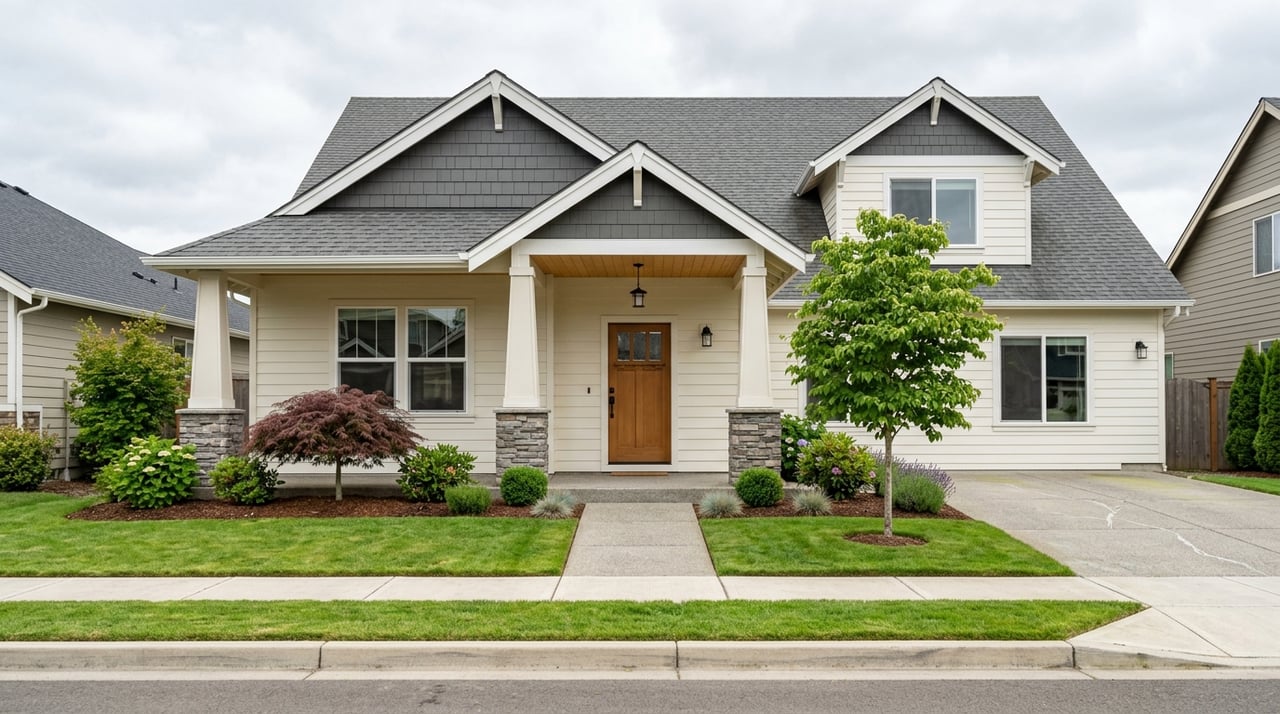
In-Town Vs Acreage Living In Lebanon
Trying to decide between a home in town and a little more land outside Lebanon? That choice sounds simple at first, but in this market, your day-to-day lifestyle can look very different depending on which side of the city limits you land on. If you want to weigh convenience, utilities, maintenance, and budget in a practical way, this guide will help you compare the real tradeoffs in Lebanon. Let’s dive in.
Lebanon is a growing small city with an estimated population of 20,267 in 2025, up from 18,447 in 2020. The city covers 7.01 square miles, which means the line between in-town living and small-acre living can affect your routine more than you might expect.
That matters because a Lebanon mailing address does not always mean city utility access or city-limit benefits. Before you fall in love with a property, it helps to understand what usually comes with an in-town address and what often changes when you move to acreage or small-acre homes nearby.
In-town living in Lebanon often means simpler infrastructure. The city operates municipal water and wastewater systems, with nearly 5,700 water connections, about 82 miles of potable water mains, and 60 miles of sanitary sewer mains.
For many buyers, that creates a more predictable ownership experience. City water comes from the South Santiam River and is treated at Lebanon’s membrane water treatment plant, so you are usually relying on public utilities instead of managing a private well.
One of the biggest advantages of in-town living is straightforward utility service. Lebanon tests its drinking water frequently and reports results in Consumer Confidence Reports, which gives buyers a clear municipal framework for water service.
Sewer service is another major convenience. Instead of maintaining an onsite septic system, in-town homeowners are typically connected to city sewer, which removes a large part of the maintenance burden that can come with rural properties.
Living inside city limits can also make everyday errands easier. Lebanon’s LINX Loop runs along Main Street and can deviate up to three-quarters of a mile within city limits, while LINX Dial-A-Bus offers curb-to-curb transportation within city limits for seniors, people with disabilities, and the general public.
That service structure can support a more car-light routine for some households. If you value quick errands, easier access to services, or fewer logistics in your weekly schedule, in-town living may feel more convenient.
Lebanon also offers a strong amenity base for a city of its size. The parks system includes more than 300 acres of parks, trails, and natural areas, and the public library offers more than 120,000 physical and digital items, plus free Wi-Fi and free in-library access.
There is also an important city-limit detail here. Residents inside city limits get a library card at no additional fee through city property taxes, while non-residents generally pay for a household card unless they own city-taxed property.
Acreage living often gives you more land and a different sense of space, but it also shifts more responsibility onto you as the property owner. In the Lebanon area, that usually starts with water and wastewater.
Outside the city, many homes rely on private wells and septic systems. That means your lifestyle may come with more self-management, more due diligence before you buy, and more ongoing maintenance after you move in.
The Oregon Health Authority states that private wells are not maintained or regulated by state or county government. As the owner, you are responsible for routine testing, maintenance, and treatment.
The Oregon Department of Environmental Quality also notes that rural households often rely on private wells or surface water intakes, and the homeowner is responsible for making that water safe to drink. In practical terms, that means you need to know the system, test it regularly, and budget for treatment if needed.
Septic is the other big change with acreage living. Linn County Environmental Health handles septic site approvals, plan reviews, permits, and inspections, but the property owner is responsible for operation and maintenance.
That responsibility can affect both your budget and your planning. If a home has an onsite system, you will want to understand its condition, maintenance history, and any records available before you move forward.
One of the most important local facts is that city utility access can change sharply at the city boundary. Lebanon states that water and sewer service generally may not be extended outside city limits without city council permission.
Some outlying parcels may still have city water, but the city says it serves most residents and only a limited number of customers outside city limits. That is why you should verify water source and sewer service for the specific parcel, rather than assume anything based on a Lebanon address alone.
Price is only part of the decision. The bigger question for many buyers is how predictable your monthly and long-term ownership costs will be.
In-town homes often offer a simpler billing structure. Acreage properties can have fewer municipal bills, but more property-specific maintenance costs that vary from one home to the next.
Lebanon bills utility service monthly. The city reads most water meters once each month, uses a base-plus-usage billing model, charges sewer separately, and includes a city services fee based on account type or meter size.
For buyers who like consistency, that setup can be easier to plan around. You are typically dealing with recurring city billing instead of testing schedules, treatment decisions, and private system upkeep.
With acreage living, the cost conversation usually shifts. Instead of focusing mostly on one municipal utility bill, you may need to budget for private well testing, water treatment if needed, septic pumping or repairs, and the time required to manage those systems.
State guidance recommends private-well testing every one to two years. Common nitrate, coliform, and arsenic tests typically cost about $20 to $45 each, and the state does not normally test or pay for private-well testing.
This is where your personal priorities really matter. In-town living usually trades land and privacy for infrastructure and convenience, while acreage living often trades convenience and city-service density for more land and more self-management.
Neither option is better for everyone. The right fit depends on how you want to spend your time, what kind of maintenance you are comfortable with, and how much value you place on having more space around you.
In-town Lebanon may be the better fit if you want lower day-to-day maintenance, simple access to municipal water and sewer, shorter errands, transit options, and easier access to parks and library services.
If your goal is a more streamlined routine, those features can make a meaningful difference. This can be especially helpful if you prefer a home that feels easier to manage over time.
Acreage or small-acre living may make more sense if you want more outdoor space and you are comfortable taking on private well and septic responsibilities. It can also appeal to buyers who do not mind more driving and more hands-on property management.
For the right buyer, that trade can be well worth it. The key is making sure you are choosing it with clear expectations, not assumptions.
If you are comparing in-town homes with acreage properties, a few local checks can save you time and stress. These steps matter in Lebanon because service boundaries and property systems can vary a lot from one listing to another.
Use this checklist as a starting point:
When buyers compare in-town versus acreage living in Lebanon, the decision usually comes down to lifestyle more than square footage alone. In-town homes often make daily life simpler through city utilities, transit access, parks, and library benefits, while acreage properties often offer more land with more owner responsibility.
The best move is to look past the address and focus on how the property actually functions. If you want help comparing options, verifying city-limit details, and finding the right fit for your goals in Lebanon, connect with Dieter Wehner.
We pride ourselves in providing personalized solutions that bring our clients closer to their dream properties and enhance their long-term wealth. Contact us today to find out how we can be of assistance to you!
Get In Touch With Our Team To Learn More
iHomes Team
309 Pacific Avenue N Monmouth, OR 97361