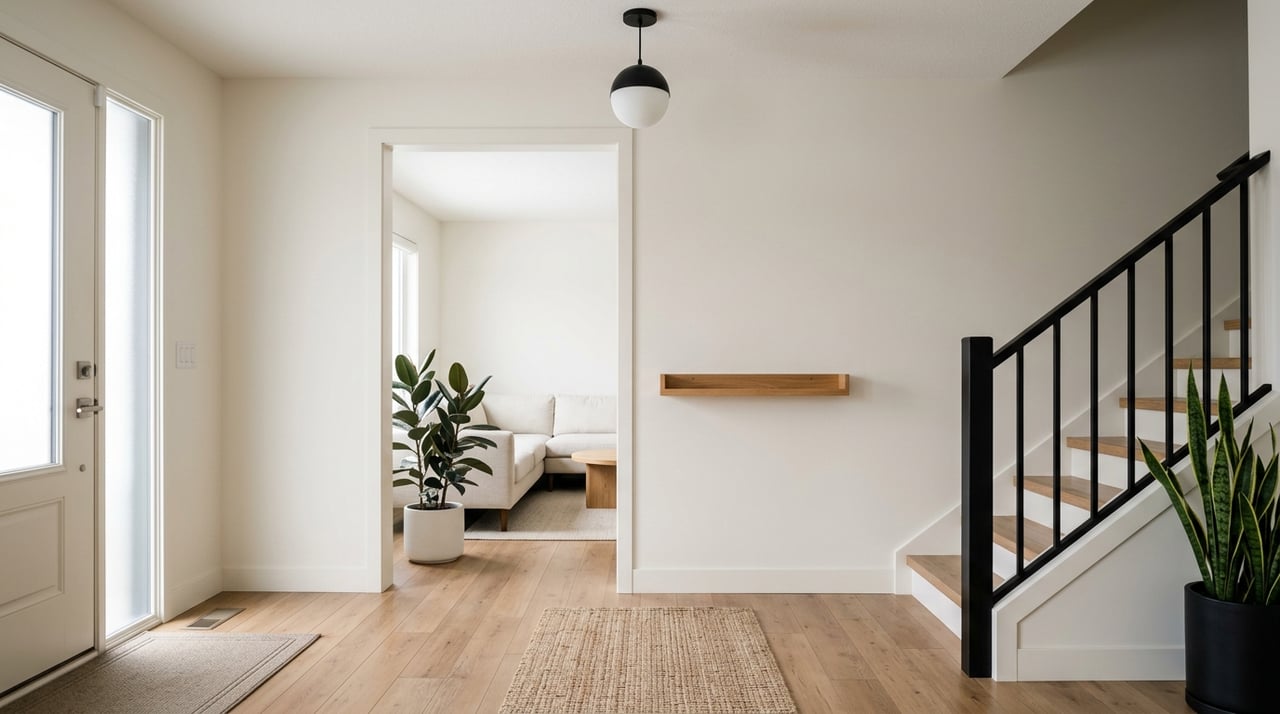
Getting Your Philomath Home Market-Ready, Step By Step
If you want to sell your Philomath home for a strong price, “good enough” prep usually is not enough. Buyers in today’s market are paying attention to condition, and in a price-sensitive area like Philomath, visible issues can affect both interest and offers. The good news is that getting market-ready does not have to mean a full remodel. With the right steps, you can focus on repairs, presentation, and pricing that match what local buyers are actually looking for. Let’s dive in.
Philomath offers a mix of small-town living and quick access to Corvallis and Oregon State University, which helps shape the local buyer pool. The city is also planning for continued growth, so sellers can expect ongoing demand from buyers who want convenience along with a more relaxed setting.
At the same time, buyers are still watching value closely. Recent market snapshots showed a median sale price of $459,763, about 36 days on market, and a 99.6% sale-to-list ratio, while another snapshot showed a median listing price of $529,900 with 40 active listings. That tells you preparation and pricing matter. Buyers may pay close to asking when a home is well-positioned, but they are less likely to overlook obvious condition issues.
Start by seeing your home with fresh eyes. Walk room by room and note what stands out in the first few seconds, especially worn paint, cluttered surfaces, dim spaces, or deferred maintenance.
Think about what a buyer will notice before they think about square footage or layout. Scuffed trim, stained carpet, messy storage areas, and dated fixtures can make a home feel less cared for, even if the major systems are fine.
A practical first pass should include:
Before you start repairs or upgrades, make sure you know whether the work requires a permit from the City of Philomath. This is an important step because the city requires permits before many projects begin, and unpermitted work can lead to extra time, investigation, and fees.
According to the city, permits are commonly required for projects such as room additions, moving walls, cutting new window or door openings, decks over 30 inches above grade, retaining walls over 4 feet, and fences over 7 feet. On the other hand, some common seller-prep projects usually do not need a building permit, including replacing interior wall, floor, or ceiling coverings, installing gutters and downspouts, replacing windows or doors without widening openings, and residential reroofing.
If your property is in a floodplain, separate floodplain development approval may still be needed. Checking this before work starts can help you avoid last-minute surprises when you are trying to get on the market.
In Philomath, market-ready should usually mean repaired and well-kept, not fully remodeled. National seller guidance and current buyer behavior both support putting your budget toward issues that affect condition, function, and confidence.
Start with items that can raise red flags during a showing or inspection. That may include leaks, damaged roofing, faulty doors, broken trim, loose handrails, stained ceilings, or anything else that makes buyers wonder what bigger problems may be hiding.
If you have older big-ticket items that you do not plan to replace, it can still help to gather estimates. That gives buyers context and can support smoother negotiations later.
A smart priority order looks like this:
If you are deciding where to spend money, keep it simple. Recent remodeling data shows that the projects agents most often recommend before selling include painting the entire home, painting one room, and new roofing. The same report found that a new steel front door had the highest cost recovery.
That does not mean every Philomath seller should start replacing major components. It does mean visible, practical updates often outperform flashy remodels, especially in a mid-market segment where buyers are comparing condition closely.
Good places to focus include:
These changes can help your home feel brighter, cleaner, and easier for buyers to picture as their own.
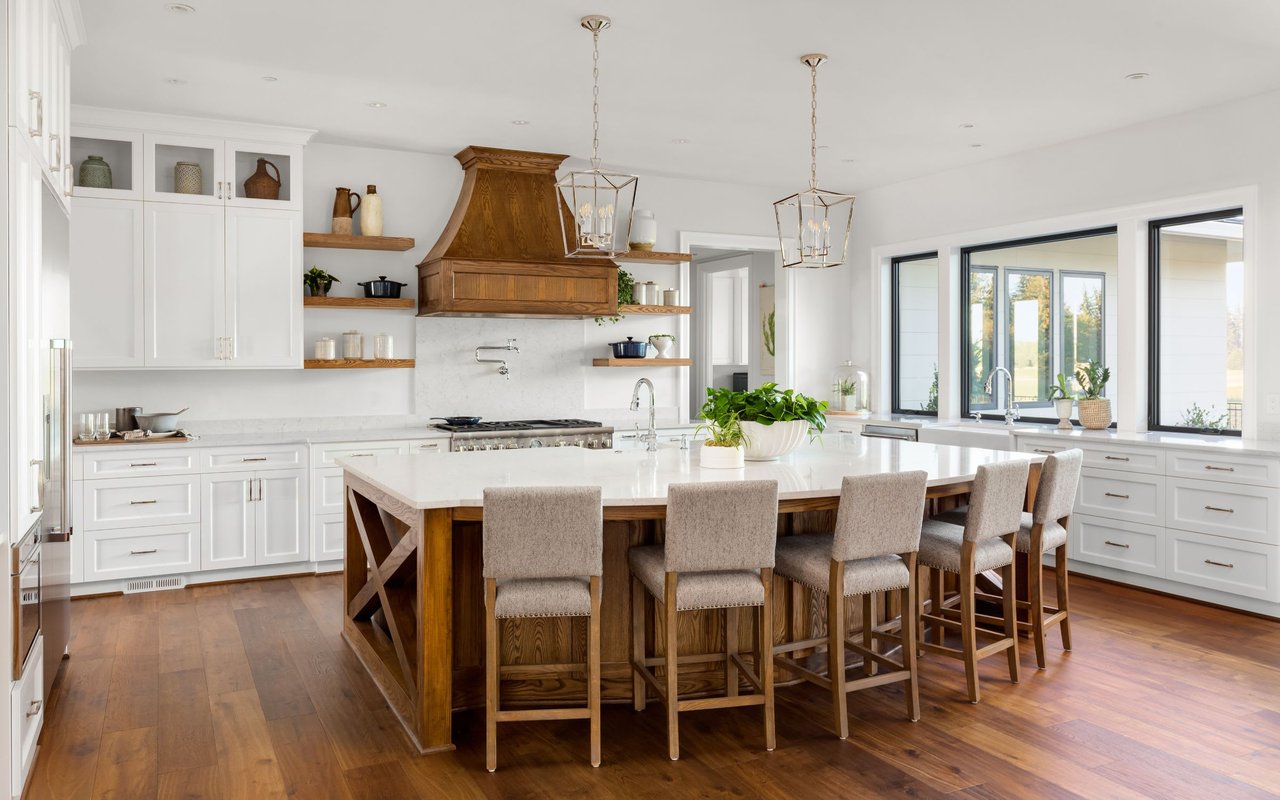
This is one of the most important steps, and it is often the most affordable. A deep clean and a simpler look can dramatically change how your home feels in person and in photos.
National staging research found that 83% of buyers’ agents said staging helps buyers visualize a property as a future home. The rooms buyers most want staged are the living room, primary bedroom, and kitchen, which gives you a clear place to start.
You do not need to make your home look empty or cold. You want it to feel open, calm, and easy to understand.
Focus on these basics:
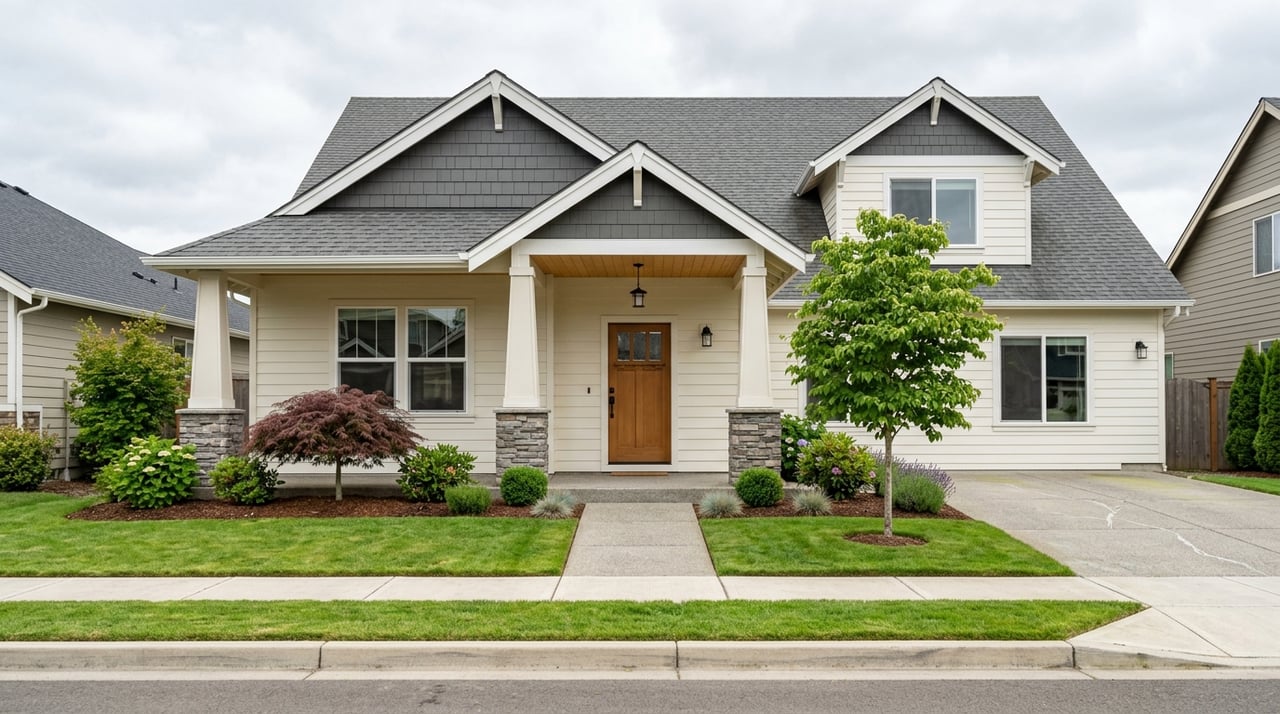
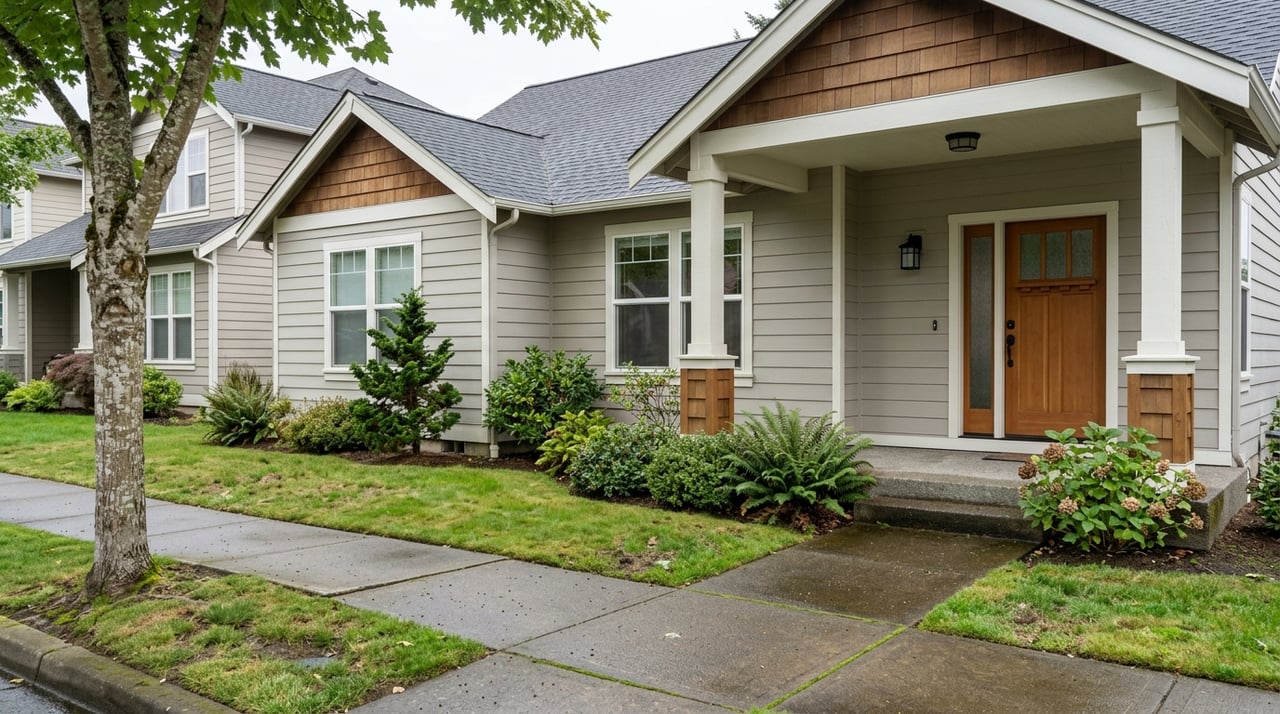
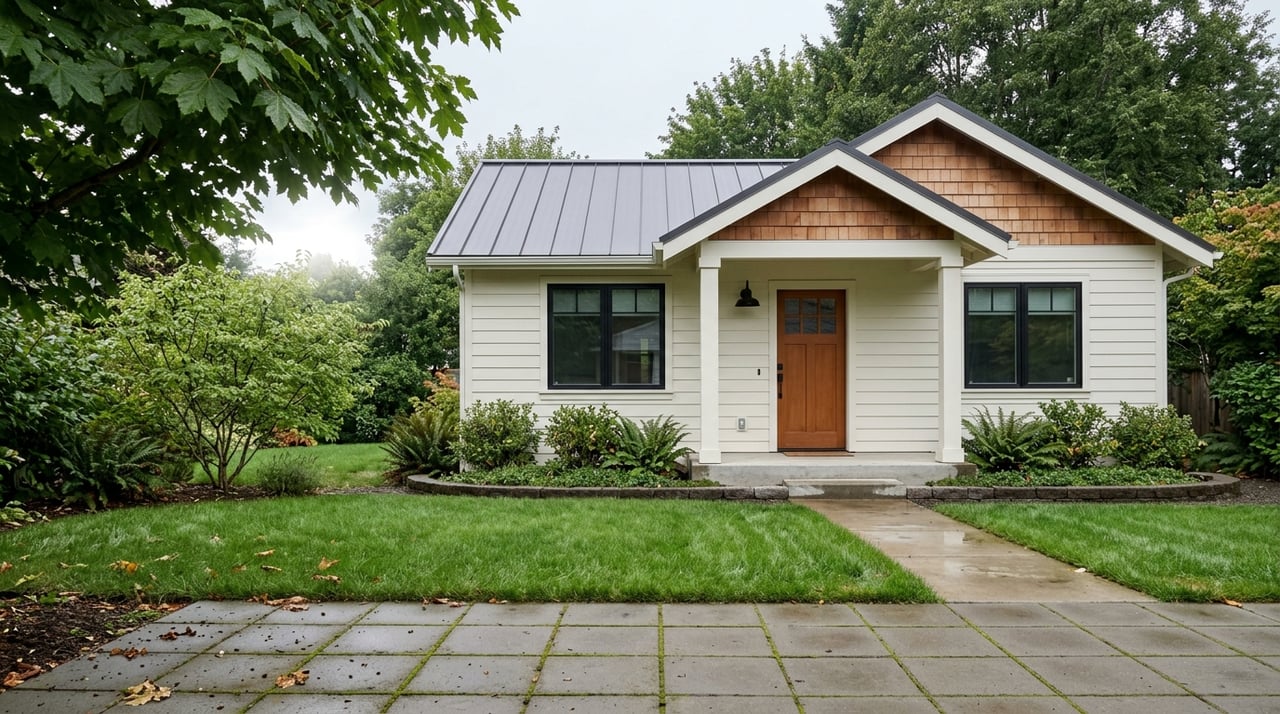
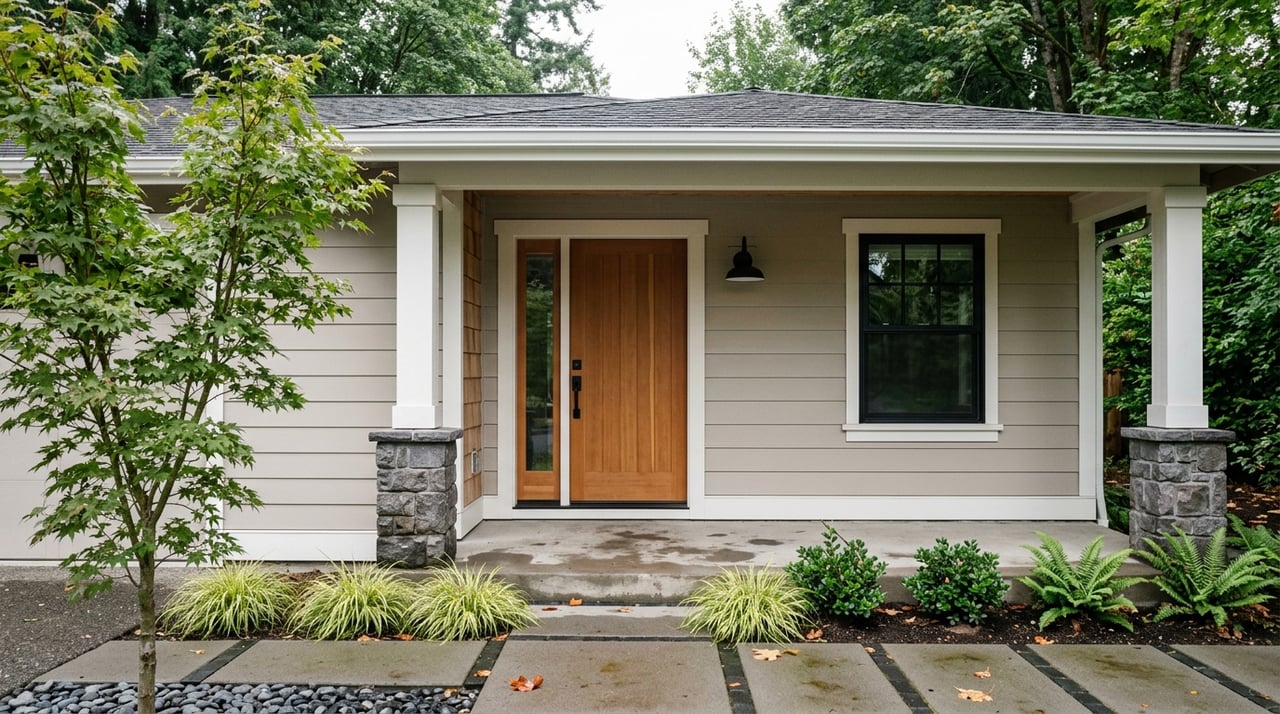
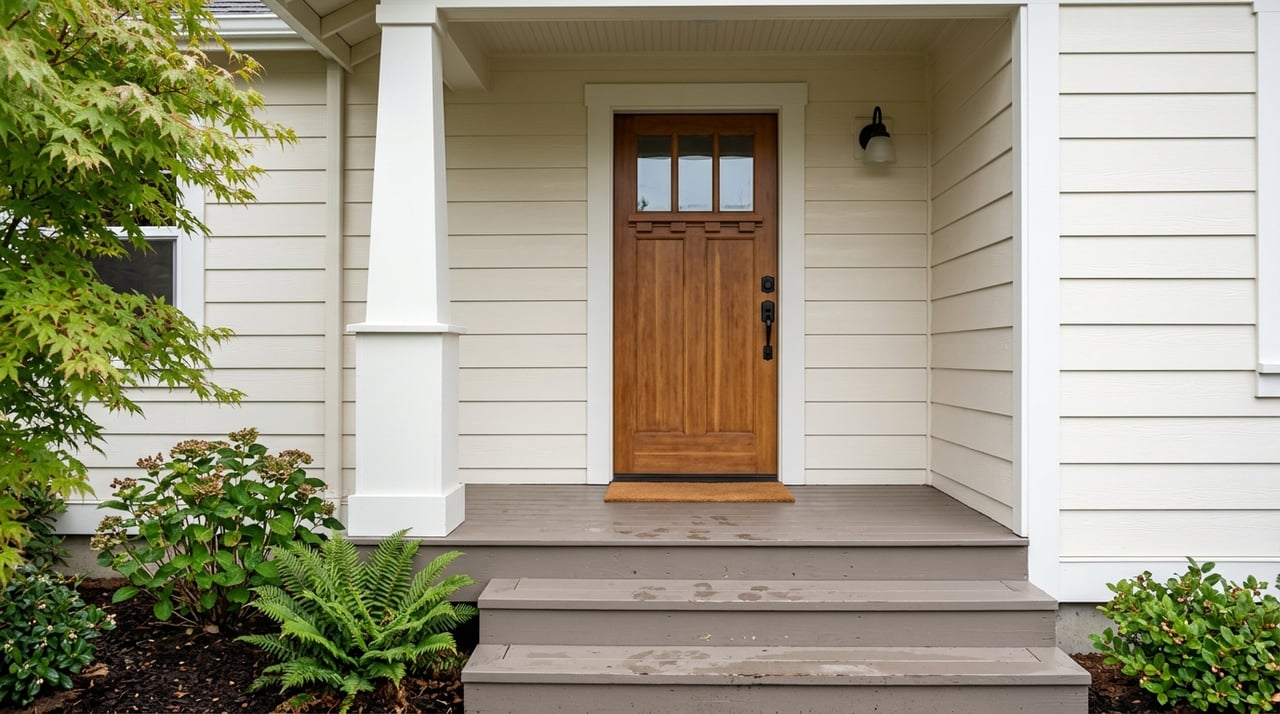
First impressions start before buyers walk through the door. In a place like Philomath, where outdoor spaces, parks, trails, and the surrounding setting are part of the lifestyle appeal, exterior presentation matters.
You do not need a major landscaping project. What buyers respond to most is a home that looks cared for from the street.
A basic curb appeal checklist includes:
Even small improvements can help set a positive tone before the showing begins.
Paperwork may not be the most exciting part of selling, but it matters. Oregon law requires many residential sellers to provide a seller’s property disclosure statement to buyers who make written offers, so it helps to start organizing records before your home goes live.
Pull together permits, invoices, warranties, manuals, and notes about repairs or known defects. If you had work done over the years, this is the time to confirm what was completed, who did it, and whether any approvals were required.
Having these records ready can help you:
Do not rush to photography before the home is truly ready. Cleaned, decluttered, and staged spaces almost always make a stronger impression online, and your online presentation is where many buyers will meet your home for the first time.
This is especially important in a market where buyers are comparing value closely. Strong listing photos can help your home stand out among competing listings and encourage better showing activity.
The most important spaces to prepare for photos are:
This is where a polished listing presentation can make a real difference.
Even a beautifully prepared home can lose momentum if it is priced too high. In Philomath, your pricing strategy should be based on recent comparable sales, current competition, and your home’s actual condition, not broad regional assumptions.
That matters because the local numbers suggest buyers are active, but they are not ignoring value. A home that is clean, repaired, and well-marketed may attract strong interest, while one that is overpriced for its condition may sit longer and invite price reductions.
The goal is not just to list. The goal is to launch at a price that makes sense for the Philomath market right now.
If you are preparing to sell in Philomath, the most effective approach is usually straightforward: repair what matters, present the home well, document what you know, and price with local discipline. That approach fits both current buyer expectations and the local market conditions.
You do not need to overhaul your home to make it competitive. In many cases, the sellers who do best are the ones who stay focused on clean presentation, visible upkeep, and a thoughtful plan from the start.
If you want guidance on which updates are worth doing before you list your Philomath home, connect with Dieter Wehner for a local pricing and prep strategy tailored to your property.
We pride ourselves in providing personalized solutions that bring our clients closer to their dream properties and enhance their long-term wealth. Contact us today to find out how we can be of assistance to you!
Get In Touch With Our Team To Learn More
iHomes Team
309 Pacific Avenue N Monmouth, OR 97361