Low-Maintenance Living Options In Albany
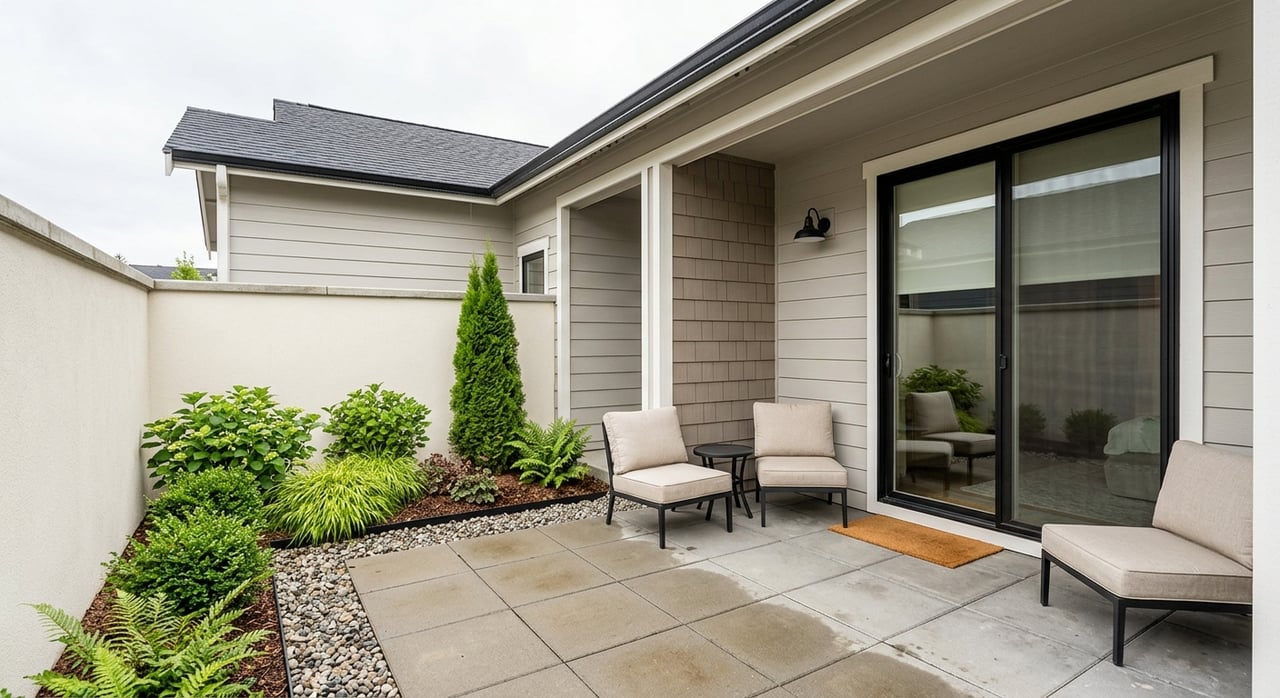
Want less time spent on yard work, exterior repairs, and weekend upkeep? If you are looking at Albany, you are not imagining the shift. The city is actively planning for smaller homes, middle housing, and more compact development, which gives you more ways to find a home that fits a simpler lifestyle. If you want a clearer picture of what low-maintenance living can look like in Albany, here is what to know before you start your search.
In Albany, low-maintenance living is not just one property type. It can mean a smaller detached home, an attached home like a townhouse, or a condo with shared common areas. The real difference is often not the size or style alone, but who is responsible for the upkeep.
Albany's housing planning supports more smaller homes and middle housing options. The city notes that smaller dwellings often need less exterior maintenance and can have lower operating and long-term maintenance costs. That makes these homes appealing if you want to simplify your day-to-day responsibilities without giving up homeownership.
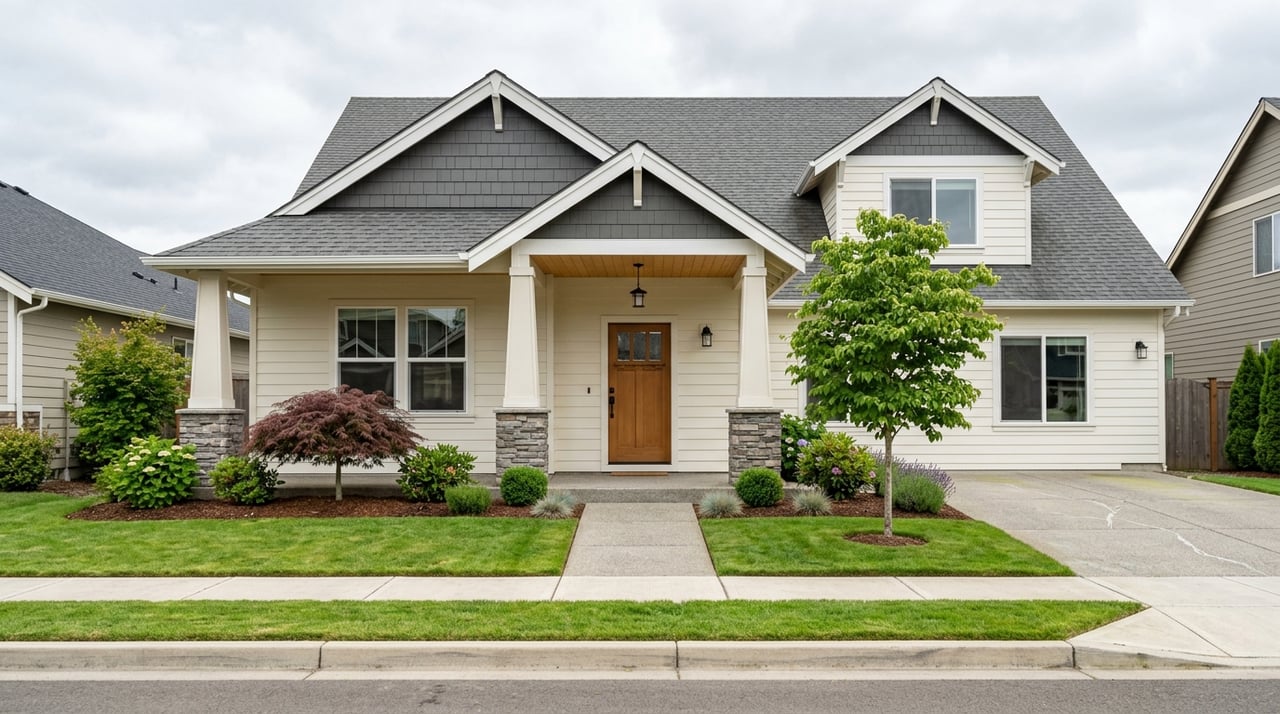
A smaller detached home can be a strong fit if you want more privacy but less work than a larger property. In many cases, a smaller footprint means less interior to clean, less roof to maintain, and a yard that may be easier to manage.
This option can appeal to downsizers, first-time buyers, and anyone who wants a more efficient home. In Albany, that lines up well with the city's broader housing direction toward smaller, more practical housing choices.
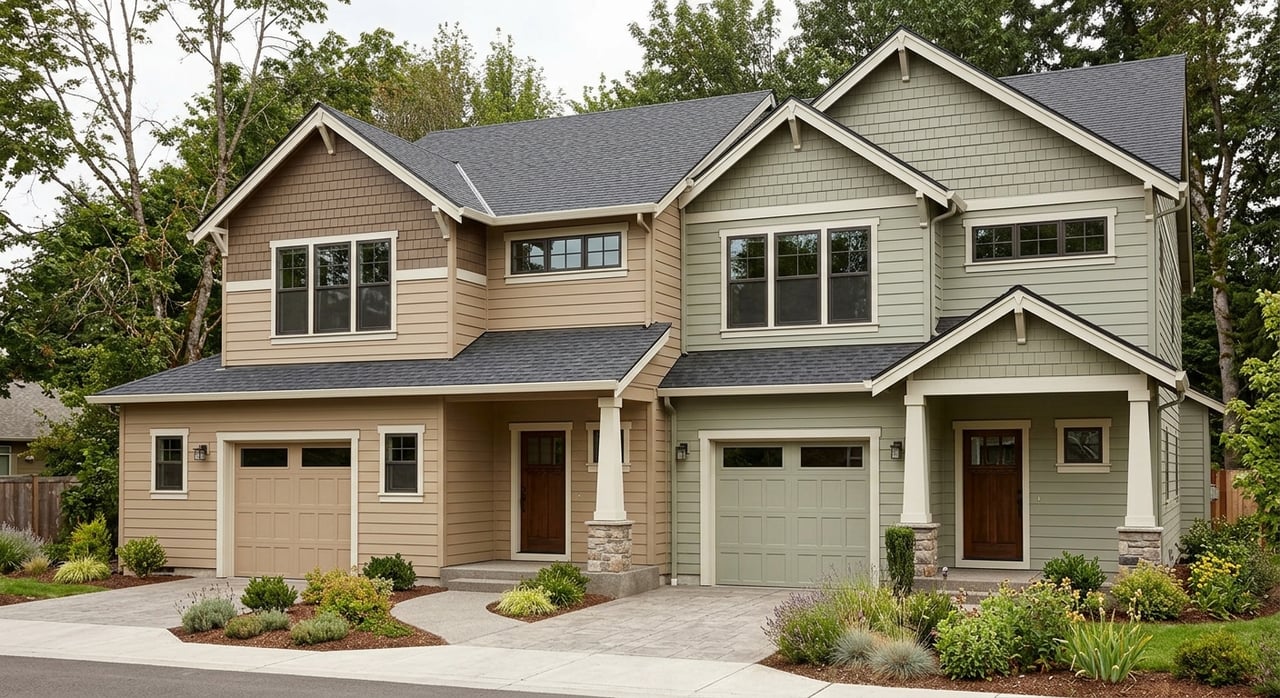
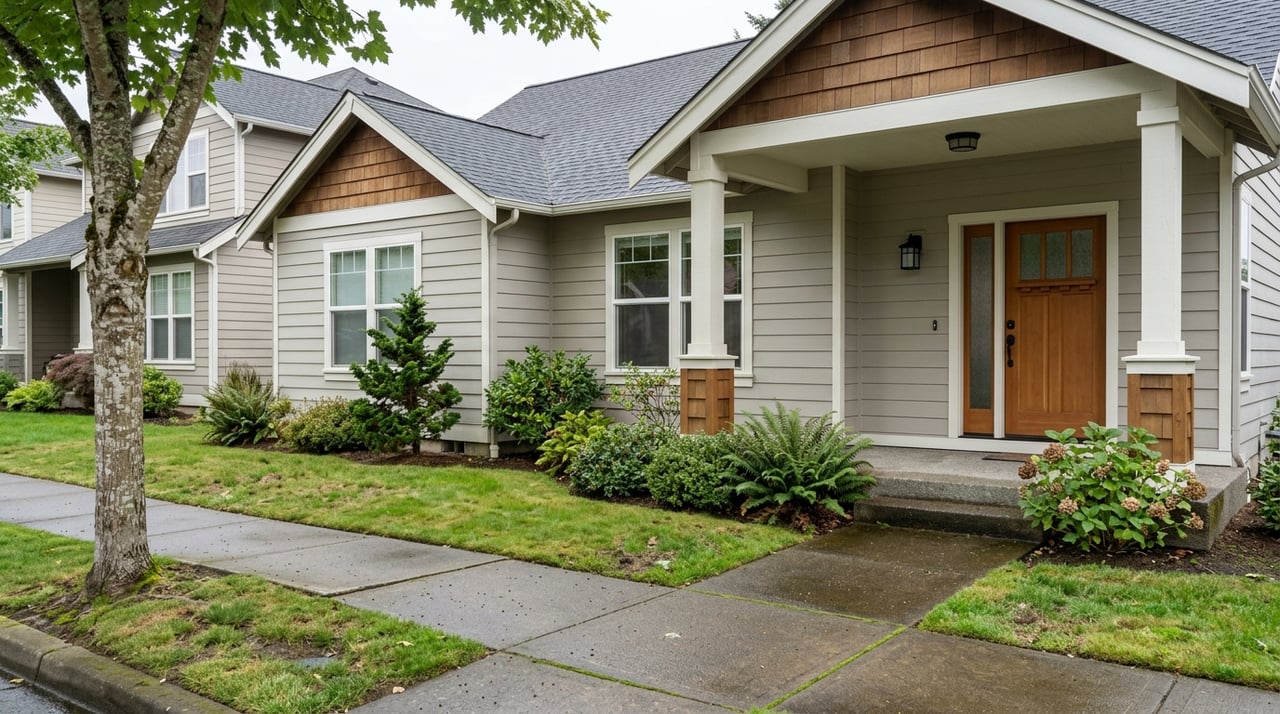
Albany defines middle housing to include duplexes, triplexes, quadplexes, townhouses, and cottage clusters. Townhouses are attached units on their own lots or parcels with separate utilities. That setup can offer a more compact lifestyle while still giving you individual ownership.
For buyers, this can be attractive because attached housing often reduces the amount of exterior space you have to care for. Still, the exact maintenance responsibilities can vary a lot from one property to another, so it is important to review the details closely.
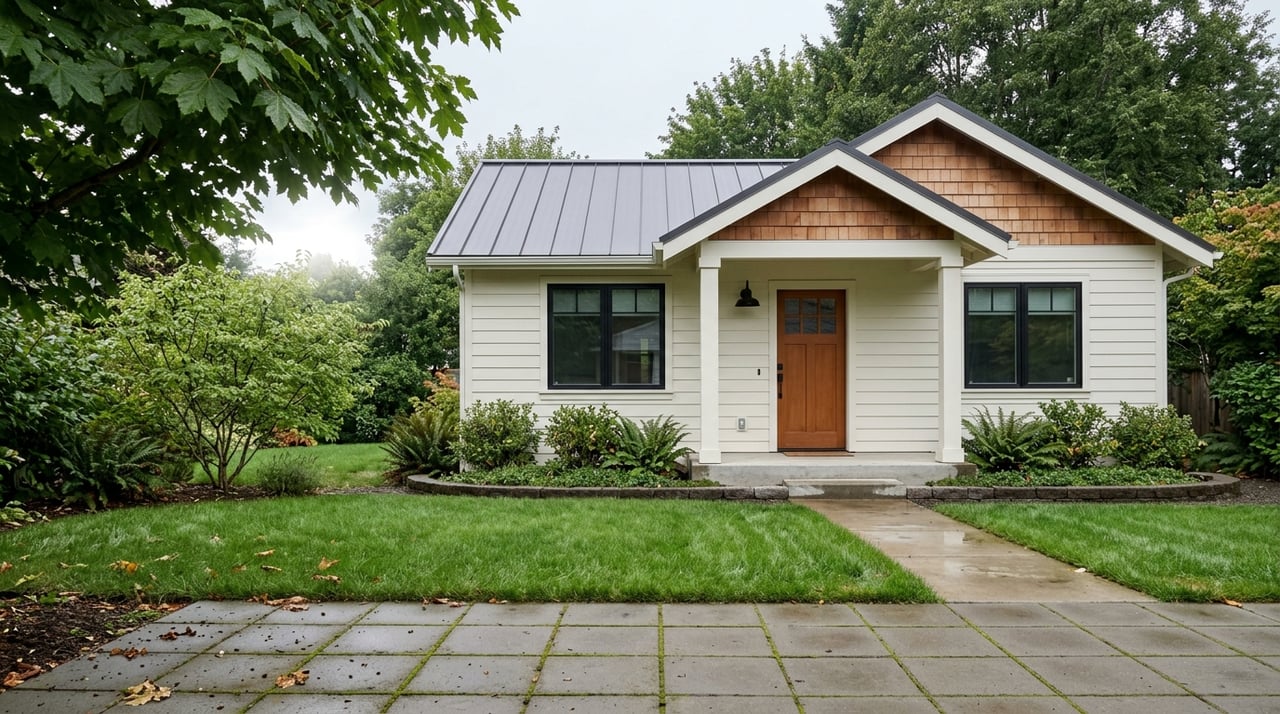
Cottage clusters are another option to watch in Albany. The city describes them as up to eight detached cottages under 900 square feet that are arranged around a common courtyard.
These homes can be appealing if you want a detached house feel in a smaller format. Because they are compact by design, they may offer a lower-maintenance lifestyle than a traditional larger home, especially when common spaces are shared or managed collectively.
A condo can be one of the clearest low-maintenance ownership models, but you need to know what is included. In Oregon, condo owners hold title to their own unit plus an undivided interest in common elements like roofs, stairways, parking areas, and landscaping.
Oregon condo law generally makes the association responsible for maintaining common elements unless the governing documents say something different. That is why two homes that look similar from the street can come with very different owner responsibilities.
Albany's local planning makes this topic especially relevant. The city is encouraging smaller homes, middle housing, mixed-use development, and transit-oriented growth in selected areas. In other words, low-maintenance living is not a side trend here. It fits the direction Albany is already moving.
That matters if you are buying for both lifestyle and long-term practicality. A market that is making room for more compact and flexible housing can give you more choices, especially if you want something easier to care for.
Albany's policy tools point more compact housing toward downtown and areas near transit. The city's MUPTE program supports multi-unit housing in the downtown revitalization area and within a quarter mile of fixed-route transit.
The city also describes downtown as Albany's civic, commercial, and social center. If you want a home that may support a more walkable routine and less driving, this part of Albany deserves a close look.
East Albany is one of the city's major growth areas. The East Albany Plan focuses on connectivity, transportation choices, housing variety, and walkable mixed-use areas.
For buyers, that makes East Albany one of the more likely places to find newer attached homes, compact subdivisions, and other low-maintenance options. If your goal is a newer home with a simpler layout and easier upkeep, this area may be worth prioritizing.
South Albany is another important area to watch. The South Albany Area Plan describes it as the city's largest undeveloped area and aims to reduce reliance on cars for short trips while adding streets, trails, parks, and neighborhood services.
That planning vision supports the kind of development many low-maintenance buyers want. Newer homes, more compact patterns, and nearby services can all make daily life easier to manage.
For many buyers, lower maintenance is not just about the house itself. It is also about simplifying your routine. A home near services, transit, or connected areas can reduce the time and cost that come with more driving.
Albany's transit network is part of that equation. The Linn-Benton Loop provides fareless service between Albany and Corvallis Monday through Saturday, and the city's climate-friendly planning materials emphasize bikeable and transit-accessible locations. That can add value if you want a lifestyle that feels lighter overall.
A home may look low-maintenance from the outside, but the ownership structure tells the real story. Before you write an offer on a townhome, condo, or other shared-maintenance property, ask detailed questions about what you will handle and what the association handles.
Start with the physical items that often create surprise costs later. Ask who is responsible for:
Then ask what your monthly dues actually cover. Two communities with similar dues can offer very different levels of maintenance support.
If a property has an HOA or shared-maintenance structure, document review matters. Oregon law requires reserve accounts, reserve studies, maintenance plans, and annual budgets with reserve funding for certain planned communities, and condo associations commonly have governing documents that spell out maintenance obligations.
Ask for these items early in the process:
These documents can help you understand whether the community is financially prepared for future repairs. They can also show whether the home fits your expectations for a lower-maintenance lifestyle.
This is one of the most important parts of the search. In Albany, middle housing can be subdivided into individual lots or individually owned as condominiums. That means the same general style of home can come with very different legal and maintenance structures.
Before moving forward, confirm whether the property is a condo, a townhouse on its own lot, or part of another planned community setup. That one detail can affect your monthly costs, your repair responsibilities, and your day-to-day experience of ownership.
In Oregon, sellers must provide a property disclosure statement to buyers who make written offers, and buyers generally have five days to revoke after delivery unless that right is waived. This is an important consumer protection step, but it should not be your only source of information.
You still need to read the HOA and maintenance documents carefully. A low-maintenance home works best when you fully understand both the property condition and the rules behind ownership.
The best low-maintenance option depends on what you want less of. If you want less yard work but still want a detached home, a smaller single-family property may be the answer. If you want fewer exterior responsibilities, a condo or shared-maintenance community may make more sense.
It also helps to think about location and routine. A compact home near downtown, transit, or one of Albany's planned growth areas may give you a simpler lifestyle in more ways than one.
If you want help comparing ownership structures, reviewing neighborhood options, or narrowing down homes that match your goals in Albany, Dieter Wehner can help you find a home that feels easier to own and easier to enjoy.
We pride ourselves in providing personalized solutions that bring our clients closer to their dream properties and enhance their long-term wealth. Contact us today to find out how we can be of assistance to you!
Get In Touch With Our Team To Learn More
iHomes Team
309 Pacific Avenue N Monmouth, OR 97361