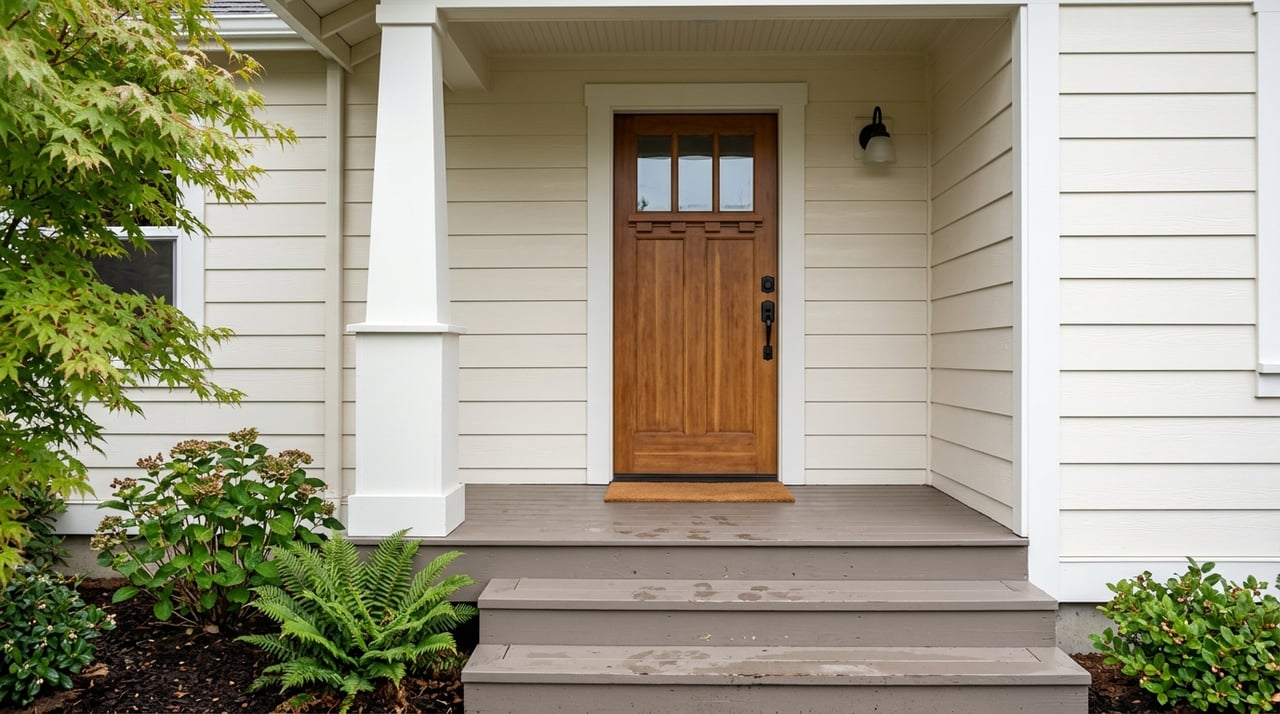
Selling a Home in Independence: Historic Core or Newer?
Wondering whether your Independence home should be marketed for its historic charm or its modern convenience? That question matters more than most sellers realize, because buyers looking in the historic core often want something very different from buyers searching newer parts of town. If you understand those expectations before you list, you can make smarter prep, pricing, and marketing decisions. Let’s dive in.
Independence does not move as one single market. Public pricing snapshots place the area in the low-to-mid $400,000s, but the exact number changes depending on the source, the time period, and the area being measured.
For example, Zillow reported an Independence home value figure of $425,946 as of March 31, 2026. Realtor.com showed a median home price of $442,000 for the city in October 2025, while its 97351 ZIP snapshot showed a median listing price of $427,450 in March 2026. Reported market pace also varied, with 58 average days on market in one city snapshot and 107 median days on market for the ZIP snapshot.
That variation tells you something important as a seller. In Independence, pricing and presentation need to match the right buyer pool and the right comparable homes, especially when you are deciding between a historic-core strategy and a newer-home strategy.
Realtor.com separates Independence into areas such as Historic Old Town, Downtown Independence, East Independence, and West Independence. That makes it easier to think about how the historic core compares with newer homes, even if there is no single public report that divides the market into only those two categories.
The Independence Historic District was formed in 1989 as a 30-block area on the west bank of the Willamette River. It is listed on the National Register and is known for preserving much of the town’s 1880s-era character and architecture.
For buyers, that setting can be a major draw. People shopping historic homes are often looking for original details, established streetscapes, and a sense of place that newer construction cannot fully replicate.
At the same time, those buyers usually know older homes come with tradeoffs. They may expect more maintenance, more quirks, and more questions about how the home has been cared for over time.
If your home is in the historic district, the city says most activities to alter or construct a structure require city approval. Same-material repairs, interior alterations, and paint color changes generally do not require that same level of review.
That matters when you are getting ready to sell. In many cases, sellers benefit more from thoughtful, preservation-friendly improvements than from large exterior changes that may be harder to complete or less aligned with buyer expectations.
In practical terms, that often means focusing on the condition buyers can see right away. Clean trim, maintained siding, repaired features, tidy landscaping, and a well-kept exterior can go a long way in helping buyers feel confident.
Older homes tend to raise a different set of questions during showings and inspections. The city specifically points to wood windows that may be rotted, single-pane, or associated with drafty and hard-to-heat perceptions.
Even when buyers love a home’s character, they often read these details as clues about deferred maintenance or future costs. That does not mean you need to erase the home’s age. It means you should reduce obvious objections wherever possible.
For many historic-core sellers, the best payoff comes from visible upkeep rather than a full modernization. Window repair or weatherization, paint and trim touch-ups, lighting improvements, and careful maintenance of original details can help the home feel cared for without stripping away the features that make it distinctive.
If your home was built before 1978, there is an added disclosure issue to plan for. The EPA’s Lead-Based Paint Disclosure Rule covers most housing built before 1978 and requires sellers and agents to disclose known lead-based paint information before sale.
The rule also gives buyers a 10-day period to inspect or assess for lead hazards. For a historic-home seller, that means it helps to be organized before listing, especially if you know about past paint, renovation history, or repairs that may have disturbed older surfaces.
If you are planning exterior refresh work before listing, it is smart to coordinate carefully. In a historic area, updates may need to fit district requirements, and older surfaces may call for lead-safe practices.
When you sell in Independence’s historic core, your goal is not to make the home feel brand new. Your goal is to show buyers that the home’s character has been preserved and maintained responsibly.
A strong marketing approach usually highlights features such as original architectural details, long-standing curb appeal, and the setting within a recognized historic district. Buyers looking in these areas often respond best when the home feels authentic, well cared for, and true to its era.
That is where professional presentation matters. Clear photography, thoughtful room flow, and a pricing strategy based on the right historic and older-home comparables can help your listing stand out for the right reasons.
Buyers shopping newer homes often have a very different mindset. Research cited in the report shows buyers choose new homes most often to avoid renovations and to reduce concerns about plumbing or electrical problems.
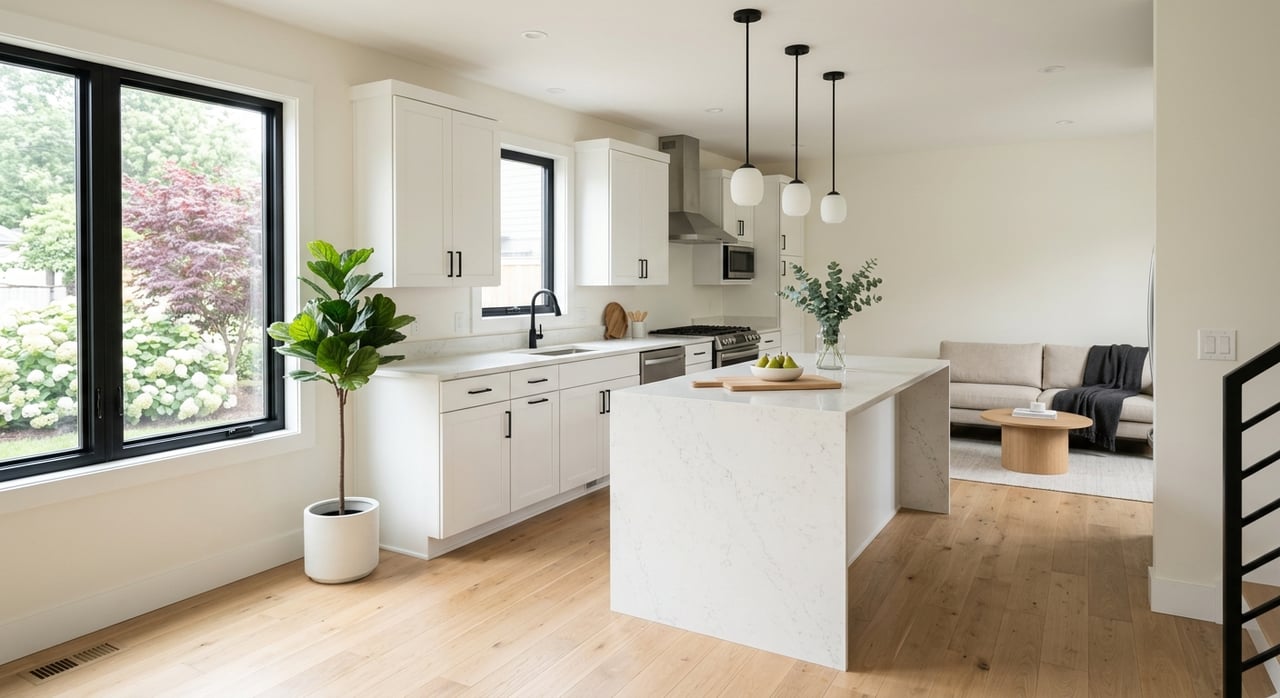
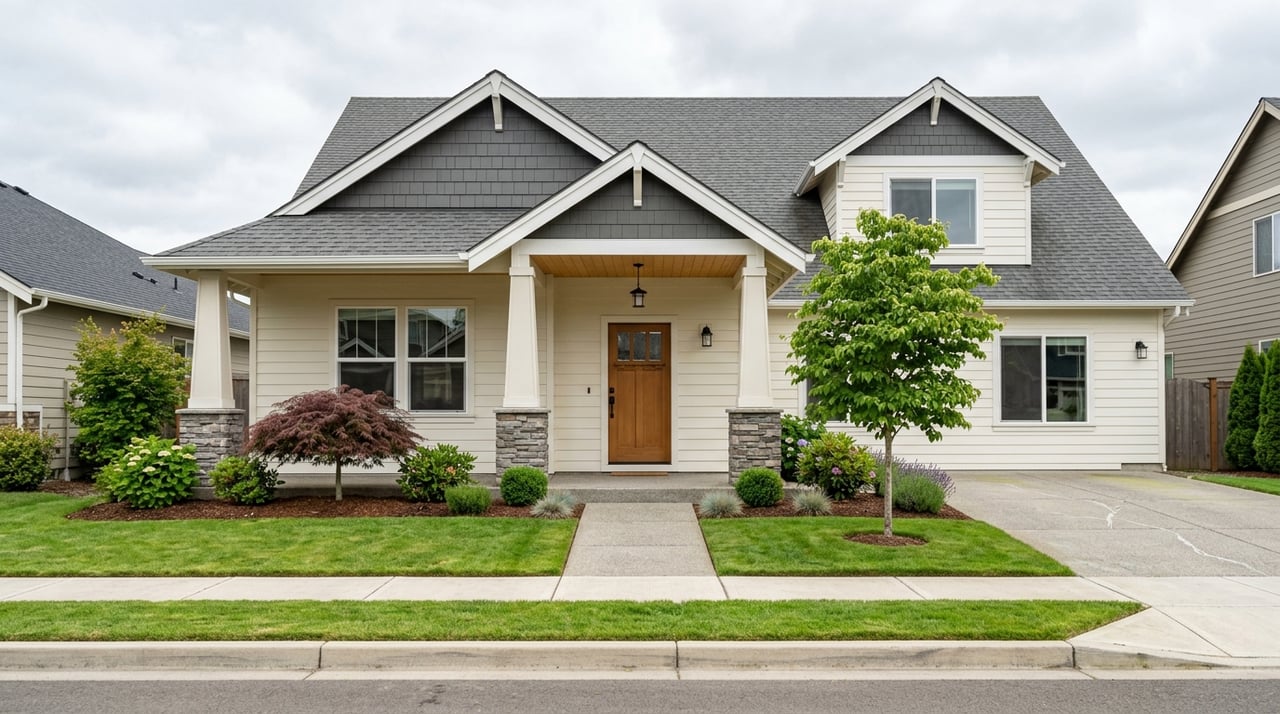
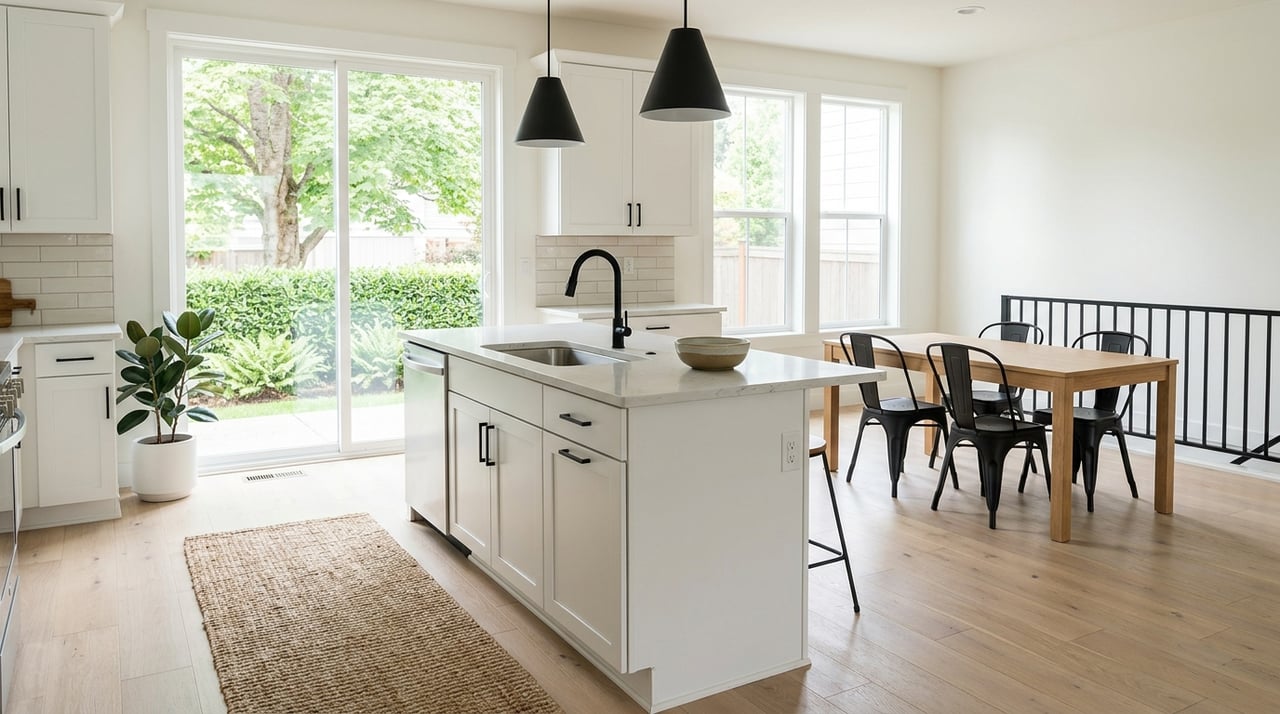
They are also drawn to customization options, warranty protections, and the chance to avoid the repair costs that often come with older homes. Even when your home is not brand new, newer subdivision homes tend to compete best when they feel move-in ready and low maintenance.
That is the value story you want to tell. Buyers in this segment are often looking for convenience, efficiency, and fewer immediate projects.
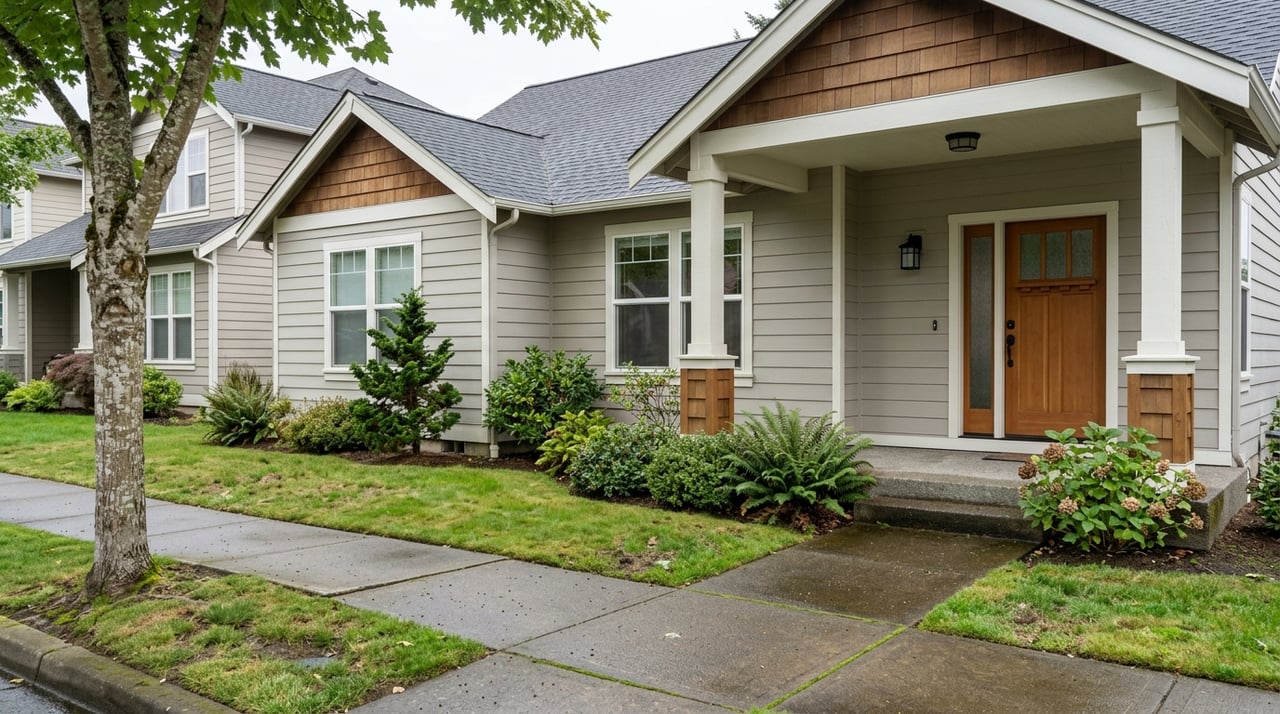
For newer homes in Independence, your prep priorities are usually different from those in the historic core. Instead of focusing on preservation, you are often better served by polishing the spaces that buyers judge most quickly online and in person.
According to NAR’s 2025 staging report, 29% of agents said staged homes saw a 1% to 10% increase in offered value. The same report found that 49% said staging reduced time on market, and 83% said staging made it easier for buyers to visualize the home.
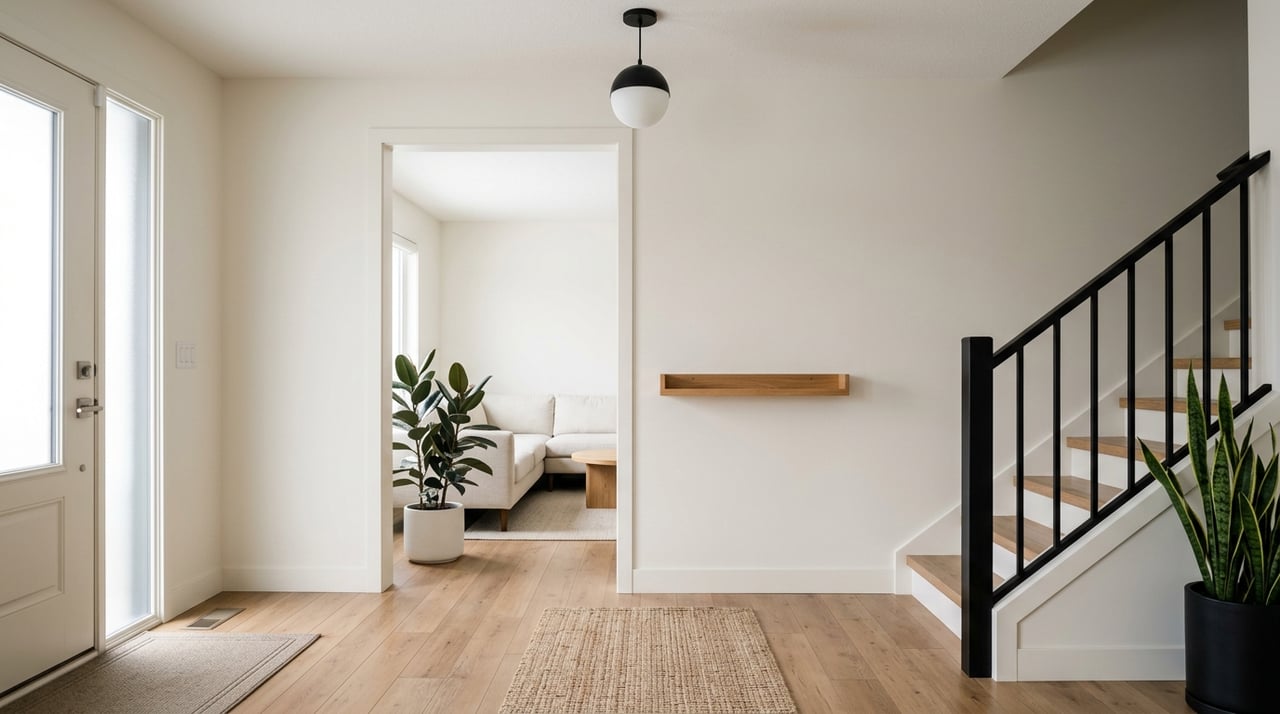
NAR also reported that the most commonly staged rooms were the living room, primary bedroom, dining room, and kitchen. For sellers, that is a practical guide to where your time and money may have the biggest impact.
A newer subdivision listing should usually lean into ease. Buyers often respond to features such as updated systems, efficient design, lower maintenance needs, and a home that looks ready for day-one living.
If your home has energy-efficient features, newer major systems, or documented builder-quality upgrades, those details can strengthen your listing story. The Department of Energy notes that efficient new homes are designed as integrated systems for comfort, efficiency, durability, and performance, which helps explain why buyers often place real value on newer construction features.
You do not need to oversell. You simply need to present the home as clean, functional, and easy to own.
One of the biggest mistakes sellers make is assuming all Independence homes should be priced from the same playbook. The local data suggests otherwise.
With public market snapshots showing both price differences and variation in days on market, your pricing strategy should reflect your home’s age, location, condition, and buyer competition. A historic home should not be benchmarked the same way as a newer subdivision home unless the comparable sales truly support it.
This is especially important in a market where public snapshots have shown 58 days on market in one view and 107 in another. That does not predict your result, but it does show why price discipline and strong presentation matter.
Here is a practical way to think about it:
In Independence, historic-core sellers and newer-home sellers are not speaking to the same buyer in the same way. A home near the historic core often performs best when you respect its age, preserve its details, and reduce concerns about maintenance. A newer home often performs best when it feels polished, simple, and turnkey.
That is why local strategy matters. When your prep, pricing, and marketing match the kind of home you are selling, you put yourself in a stronger position from day one.
If you are thinking about selling in Independence and want a plan built around your home’s location, condition, and buyer appeal, connect with Dieter Wehner for professional guidance, local insight, and polished listing presentation.
We pride ourselves in providing personalized solutions that bring our clients closer to their dream properties and enhance their long-term wealth. Contact us today to find out how we can be of assistance to you!
Get In Touch With Our Team To Learn More
iHomes Team
309 Pacific Avenue N Monmouth, OR 97361